


Novels about friendships, particularly those that start when the protagonists are kids and last a lifetime, are among our favorite reads. There are lots of them out there, many of them really good. But if you don’t have a lot of time, we’re sharing our edit of the genre in the hope that it will steer you to your next great read. What are the best novels to read right now about female friendships? We’ve rounded up a list of some of the novels about heartfelt friendship that we love best.
why we love reading novels about female friendships
What makes books about friendship so great? More than plot, and more than beautiful prose. Sometimes it’s a dynamic – between two people, between a group of people – that compels us to keep us reading until the wee hours of the morning, hungry for more.

What are the best novels to read right now about female friendships?
Of course, these books remind us of our own lives, our own friends, letting us see a reflection of ourselves and our memories within the pages.
But part of the pull of these kinds of stories is what they show us that we can’t see in our own lives. Fiction gives us the gift of hindsight, a way to pause and look at the trajectory of a friendship in a way we will never be able to truly do as we are experiencing it.
What are the best novels to read right now about female friendships?
Reading about friendship is a way to understand the people we love more clearly, and to learn how to treat those platonic cornerstones of our lives with the kind of sacred attention that they deserve.
what are the best novels to read right now about female friendships?
Here are some of the best books we’ve read about friendship, all of which will make you feel emotions as true as if they were about people you knew in real life.
1. The Female Persuasion: A Novel by Meg Wolitzer.

Best novels about friendships.
From the New York Times-bestselling author of The Interestings, comes an electric novel not just about who we want to be with, but who we want to be. A new feminist classic for the modern era… It’s a powerful coming-of-age story that looks at ambition, friendship, identity, desire, and power from the much-needed female lens.
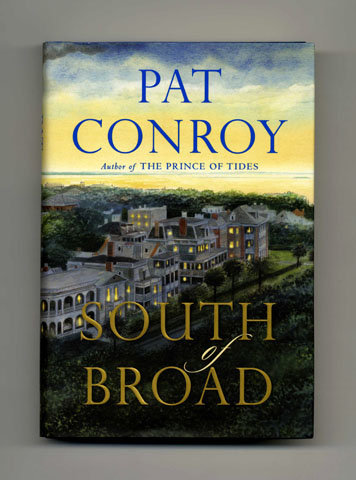
2. South of Broad by Pat Conroy.
Best novels about friendships.
South of Broad by Pat Conroy is another novel splayed over sections that alternate between adolescence and adulthood, It’s a dark, often wrenching novel about a group of friends in Charleston from the 1960’s to the 1980’s. The narrator, Leo King, brings together an unlikely and unlucky group of people, who help to brace each other through the many emergencies that life throws in their direction.
The novel seems to leap from one horrific disaster to the next, but through all of it, the friends are there to offer each other support. The breadth of time that the book covers helps to attach these characters to your heart, making every hardship they have to endure all the more emotionally effective.
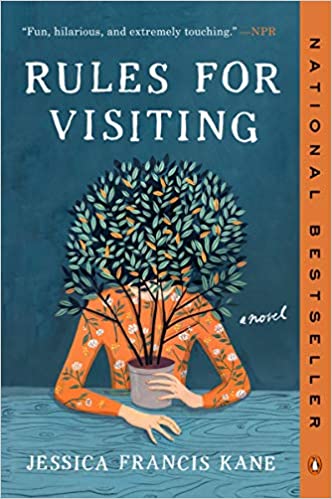
3. Rules for Visiting: A Novel by Jessica Francis Kane.
Best novels about friendships.
In the age of social media, the true nature of friendship can seem muddled, questioning what it means to be a true friend. Rich in subtexts and lush imagery, Kane’s novel is a sure bet for lively book discussions. Rules For Visiting is an altogether new sort of friendship novel, one about friendships stretched to their limits over time and space, the sort of friendships, so many of us count as our closest
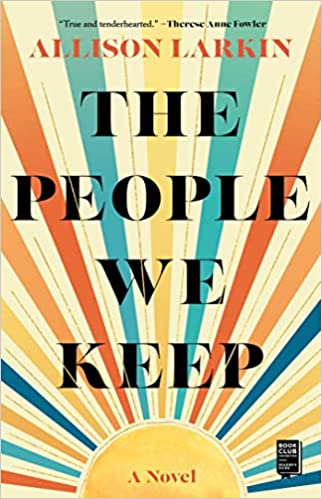
4. The People We Keep by Allison Larkin.
Best novels about friendships.
Full of friendship, love, and life lessons, this novel teaches you that when life gets tough, not only can you survive, you can thrive, and you can find your tribe along the way.
5. In Five Years by Rebecca Serle.
Best novels about friendships.
This novel is a story of two different women. One of whom is carefree, loving, and enthusiastic while the other is contained, focused, and driver. Yet the two are childhood friends that are bonded together for life.
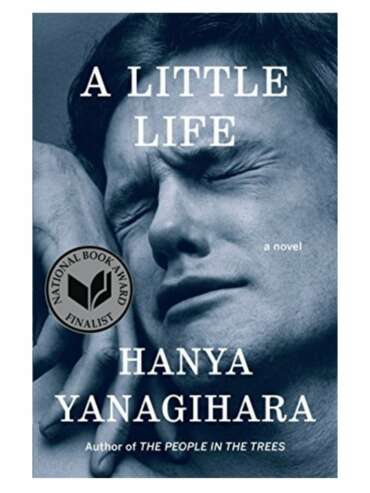
6. A Little Life by Hanya Yanagihara.
Best novels about friendships.
You have probably walked by A Little Life by Hanya Yanagihara on a bookstore shelf before, and maybe found yourself deterred by its length, or the cover, or the fact that you have heard it is an incredibly upsetting 800 pages.
And yes, it is, and you should only read it if you are prepared to stomach the kinds of horrors that many books shy away from describing. But if you are looking for the kind of epic, devastating read that will stick with you for the rest of your life, there is no choice better. Jude, Willem, Malcolm and JB are written in such immense, life-giving detail, they will start to feel more real than the actual life around you. Your reality will temporarily become the book’s reality. Only a few books are really powerful enough to have this kind of effect, and the story of the friendship between these four boys makes this one of them.
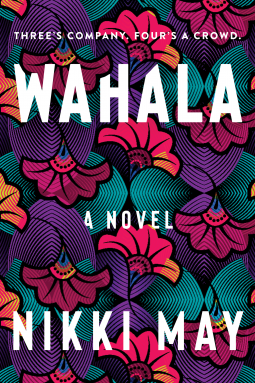
7. Wahala by Nikki May.
Best novels about friendships.
An incisive and exhilarating debut novel following three Anglo-Nigerian best friends and the lethally glamorous fourth woman who infiltrates their group—the most unforgettable girls since Carrie, Miranda, Charlotte, and Samantha.
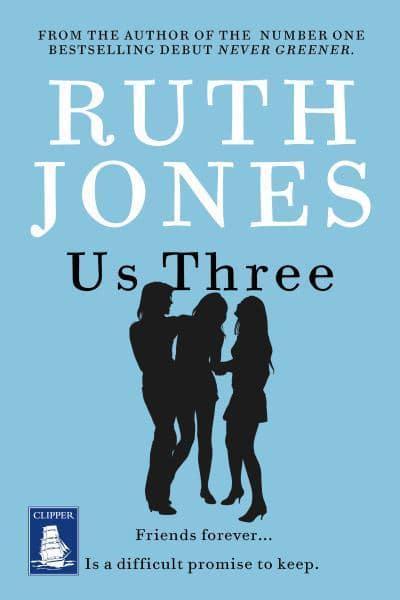
8. Us Three by Ruth Jones.
Best novels about friendships.
In this novel, meet Lana, Judith and Catrin. Best friends since primary school when they swore an oath on a Curly Wurly wrapper that they would always be there for each other, come what may.
After the trip of a lifetime, the three girls are closer than ever. But an unexpected turn of events shakes the foundation of their friendship to its core, leaving their future in doubt – there’s simply too much to forgive, let alone forget. An innocent childhood promise they once made now seems impossible to keep.
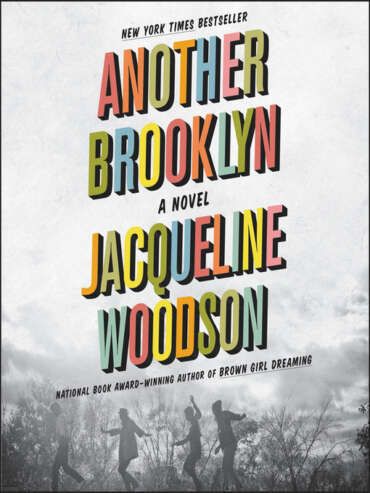
9. Another Brooklyn by Jacqueline Woodson.
Best novels about friendships.
In another book split between two time periods, Another Brooklyn by Jacqueline Woodson is the story of August. She returns home to Brooklyn after her father’s death, and finds herself remembering the three girls who were like sisters to her during her youth. Woodson’s beautiful writing is somewhere between prose and poetry, and it adds even more emotion this already-evocative story about the ways in which our friends are the ones who will get us through the worst and hardest moments of our lives.
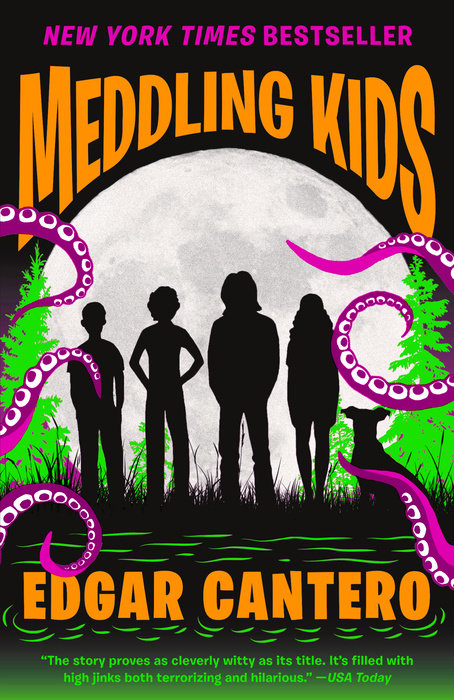
10. Meddling Kids by Edgar Cantero.
Best novels about friendships.
Anyone who thinks friendship is best served in the form of a caper or adventure will fall in love with Meddling Kids by Edgar Cantero. This is a summery, energetic story of magic and grief. Three members of the Blyton Summer Detective Club return home to the place of their youth, where they lost the fourth member of their group thirteen years before. Here they are forced to solve a mystery – as well as to finally grapple with the events of the past. And vocalize truths that have previously been left unsaid.
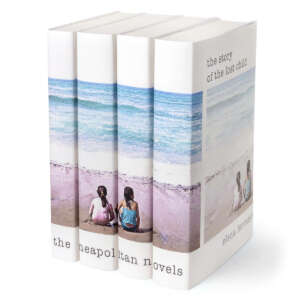
11. The Neopolitan Novels by Elena Ferrante.
Best novels about friendships.
The Neopolitan novels are a 4-part series comprised of these novels: My Brilliant Friend; The Story of a New Name; Those Who Leave and Those Who Stay; and The Story of the Lost Child. The quartet of novels tell the story of Elena and Lila, childhood friends who grow up in in a poor but vibrant neighborhood on the outskirts of Naples in the post-World War II era. Throughout their lives, their paths diverge and loop back together. The series is considered a masterpiece as a portrait of a nuanced relationship between lifelong female friends.
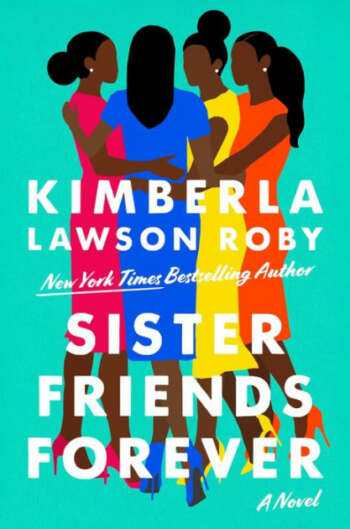
12. Sister Friends Forever by Kimberla Lawson Roby.
Best novels about friendships.
The best girlfriends are sometimes more like family. That’s the case for Serena, Michelle, Kenya and Lynette, who have been best friends since childhood. While they’ve been through their fair share of ups and downs, they’re now all at a true crisis point in their romantic lives, and their friendships will be put to the test. This brand-new book from New York Times bestselling author Kimberla Lawson Roby will tug at your heartstrings—and make you stay up way too late reading so you can find out what happens to each of them.
13. Fleishman is in Trouble by Taffy Brodesser-Akner.
Best novels about friendships.
The debut novel Fleishman is in Trouble by Taffy Brodesser-Akner is about many things, One of them is the friendship between two men and a woman. It starts in college when they’re all studying abroad, and continues as they move to Manhattan, marry, and deal with work, family and the challenges of being a parent. Ostensibly about the divorce of one of the men, the beating heart of the story turns out to be about the friendships between these three, how well they actually know each other, and the limits of what anyone will do for even their oldest friends.
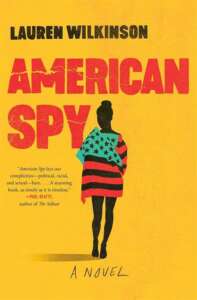
14. American Spy by Lauren Wilkinson.
Best novels about friendships.
American Spy is a fast-paced novel about a black woman who is enlisted by the CIA to go undercover in an African nation titling toward Communism. It’s a treasure chest of insights about professional life as a Black woman. The one theme that most sticks in our minds most, though, is how when the heroine is in real trouble, the person she trusts with her life – and more importantly, the lives of her children – is her childhood friend. A man who has had a hard life and made bad choices. Despite all of that, he proves to be one of the few people she can actually count on when things turn lethal.
15. The Animators by Kayla Rae Whitaker.
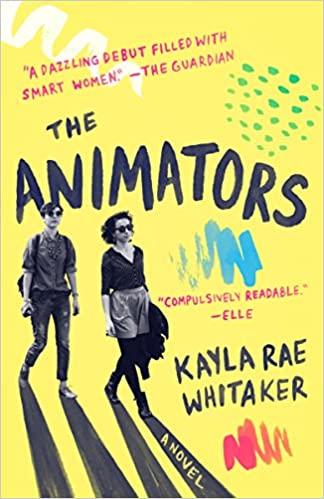
The Animators is a novel of work, art, family, friendship and love, and what happens when they all intermingle.
Mel Vaught and Sharon Kisses are two women making their way in the male-dominated field of animation. Best friends and artistic partners since the first week of college, they work, drink, and create together, which results in a provocative and daring work of art based on Sharon’s difficult childhood. Inevitably, rivalries and insecurities emerge – as does the fundamental question of whether there is – or should be – any separation between an artist’s life and her work.
the best novels about female friendships
Those are our picks for some of the best novels about female friendships. What’s on your list? Happy reading!