


The coronavirus pandemic has ravaged the world for over a year, leaving millions grieving and in states of shock, mourning and loss. When a loved one is in pain due to a deep personal loss, our immediate impulse is often to send the traditional condolence gifts: flowers and food. Also sympathy greeting cards and sympathetic emails. And there’s nothing wrong with any of those. But in the hard days, weeks and months after the burial, how can you offer comfort and support in a thoughtful, gracious and sensitive manner to your friend, co-worker or family member? What condolence gift is best – as an alternative to food, flowers and sympathy cards – for a loved one in grief and mourning?
thoughts on a Sympathy Gift Best for a Loved One in Grief and Mourning
Many of us have become all too familiar with grief, loss and mourning during the months of the coronavirus pandemic. Even if we haven’t lost a dear person ourselves, it’s nearly impossible to not know someone who has. Add that to the ebb and flow of normal life, where death and loss can come quietly at the end of a long life. Or like a bolt from the blue. Either way, it always seems to feel as if it has come too soon.

Thoughts on the best sympathy condolence gift for a loved one, other than food or flowers.
So, how can we be a source of comfort to those who are grieving – mourning the loss of a parent, a spouse, a beloved friend, a child? When words are insufficient, and our presence isn’t always possible, what gift can we give that might actually provide a constant reminder of the love and care that we feel for the bereaved person?
Having experienced deep personal losses ourselves, we have become way too familiar in the most awful ways with what it feels like to lose a dear person. So we have been mulling this over, and doing some research.
[white_box]Join our community
For access to insider ideas and information on the world of luxury, sign up for our Dandelion Chandelier newsletter. And see luxury in a new light.
sign up now >
[/white_box]
While every person is different, each loss unique, and every suggestion subject to your own personal judgement and understanding of the gift recipient, here are our thoughts about condolence gifts to give a loved one in sympathy for their grief and mourning. We hope this may help you. And we pray that it may help your loved one.

Thoughts on the best sympathy condolence gift for a loved one, other than food or flowers.
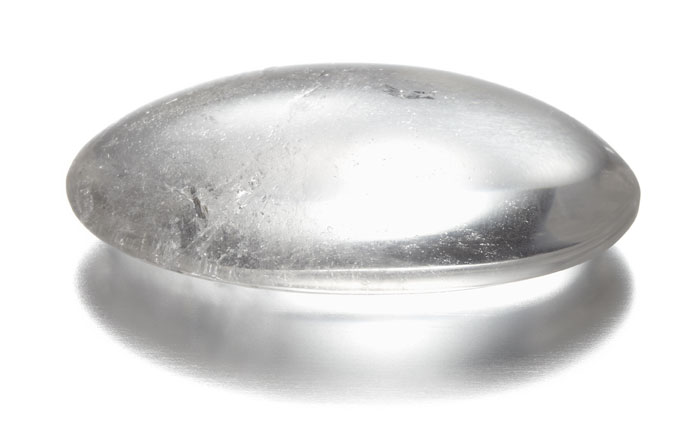
1. Weight of the Soul Quartz Stone.
The lovely website Three-Fourths of an Ounce has a number of graceful and elegant items that would make for thoughtful and timeless condolence gifts. Personally, we really love this stone of remembrance. “Hand carved from quartz, this discreet and elegant object can be gazed upon, used as a worry stone or simply sit as an ever-present weight in your pocket.” ($325).
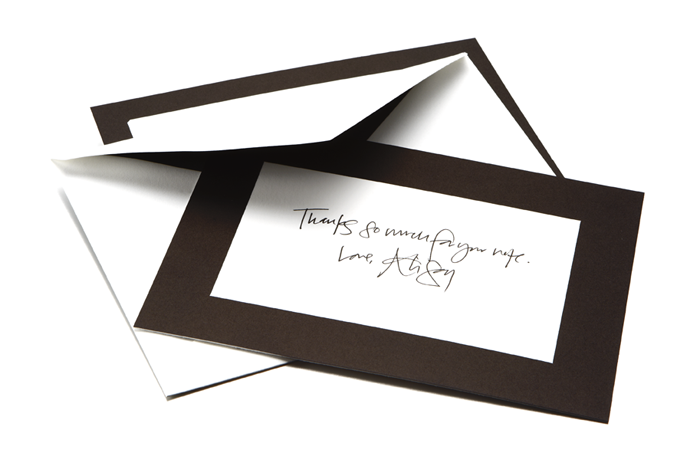
2. Mourning Stationary.
Also from Three-Fourths of an Ounce, this elegant set of Mourning Stationary ($365) is both thoughtful and practical. The weight of the obligation to respond to all of the gifts, cards and other kind gestures can be overwhelming. The website notes: “Traditional mourning stationery was printed with black borders of varying widths: the thickest black for a period of full mourning and moving on to progressively thinner black borders as time passed.” They also offer a very good suggestion: give these to your loved one and offer to sit with them to write out addresses, apply stamps and mail them.
3. The Light of the World by Elizabeth Alexander.
In The Light of the World, poet and Pulitzer Prize finalist Elizabeth Alexander finds herself at an existential crossroads after the sudden death of her husband. This book is both a memoir of loss and a celebration of the precious joys of love, family, friendship and companionship. Alexander gives words to what many experiencing loss may be unable to say for themselves.

4. Renne Full Moon Sleep Tincture.
When grieving, sometimes falling asleep and staying asleep are the hardest tasks of the entire day. While working hours are full of distractions, nighttime can be really difficult. Which is why a gift to help your loved one get a good night’s sleep might be just the thing. There are lots of options – one to consider is a tincture that they make part of their bedtime ritual. For example, Renne sleep tinctures are made from herbal blends to soothe and calm, and there are versions available with and without hemp-derived CBD.

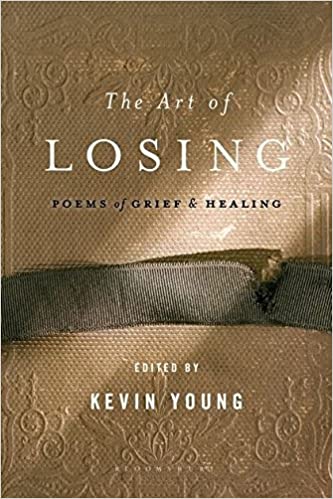
5. The Art of Losing edited by Kevin Young.
The Art of Losing is an anthology of 150 poems that embrace the pain and heartbreak of mourning. The works are divided into five sections: Reckoning, Remembrance, Rituals, Recovery, and Redemption. Kevin Young, the editor, is himself a poet. And now the Executive Director of the National Museum of African American History and Culture in Washington, DC.
The volume includes poems from writers as varied as W. H. Auden, Emily Dickinson, Louise Gluck, Philip Larkin, Li-Young Lee, Marianne Moore, Mary Oliver, Robert Pinsky, Adrienne Rich, Theodore Roethke, Anne Sexton, Wallace Stevens, Dylan Thomas, Derek Walcott, and James Wright.
6. The Elder Statesman Super Soft Striped Cashmere Blanket.
A voluminous blanket or quilt is a lovely way to offer a hug to your bereaved loved one in the difficult days ahead for them. There are beautiful and soft blankets at every price point, of course. We love the enveloping embrace of this one from The Elder Statesman – the neutral palette is soothing and would complement any home décor scheme.

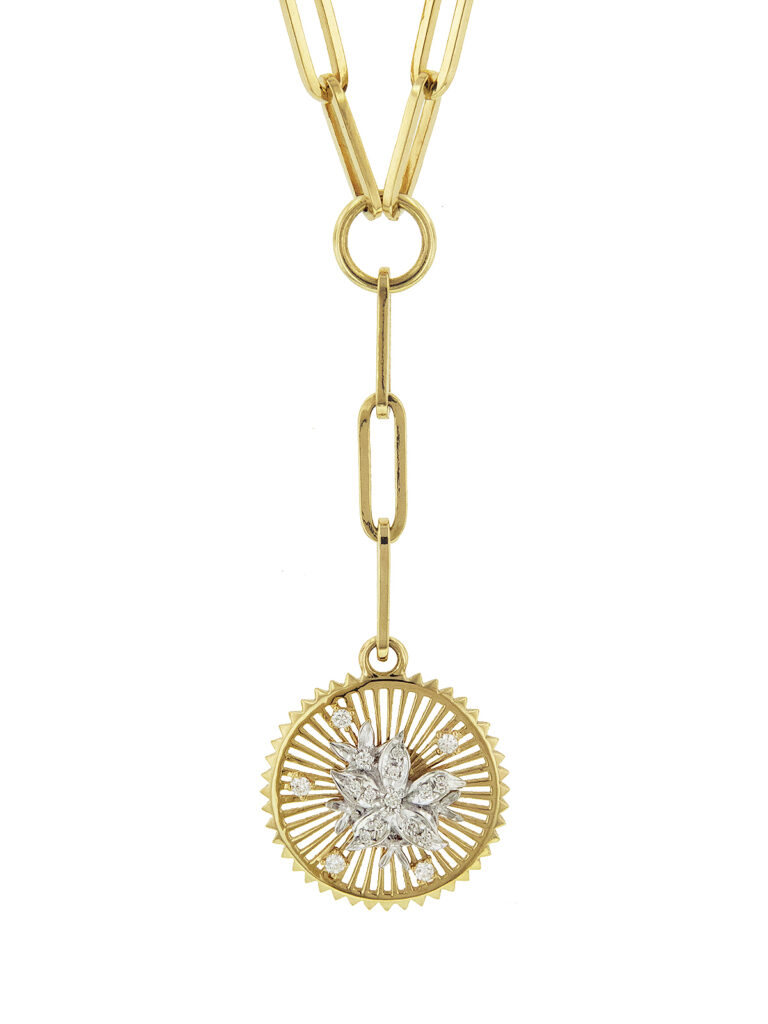
7. Foundrae Protection Necklace.
The gift of a protective amulet is a way to remind a grieving loved one that the spirit of the one they lost is ever-present. Again, there are beautiful options at every price point. To dream a little dream, we’re sharing one of the most luxurious options. Luxury jeweler Beth Bugdaycay and her husband founded Foundrae in 2015. Since then, she has made a name in the fine jewelry market for her use of symbols, amulets and personalization. This Protection Choker is a stunning example of her work.
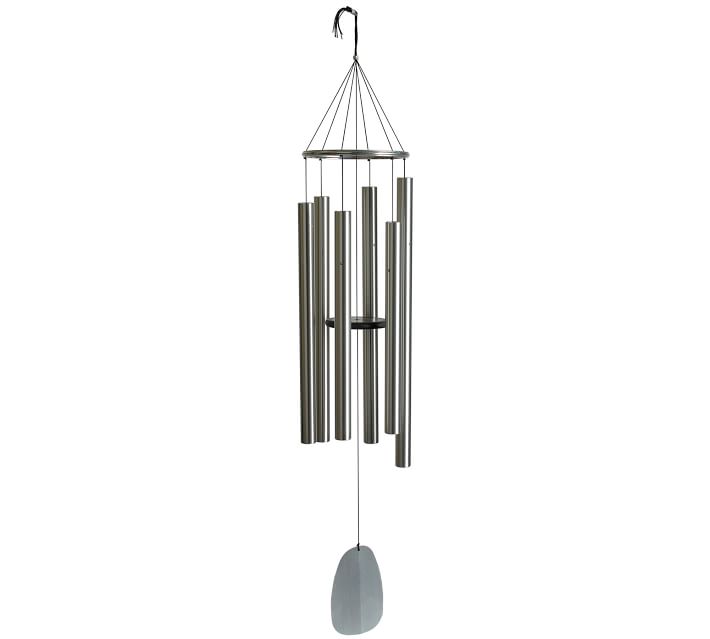
8. Cloud Nine Wind Chimes.
If your loved one has a front or back yard or a terrace, a lovely and comforting sympathy gift is a set of wind chimes. Pottery Barn’s Cloud Nine wind chimes ($229 for 68″) are made from polished aluminum tubes strung by hand. Hanging from a branch or a balcony, when the wind blows the sweet sounds will help the bereaved remember that their loved one is never far away.
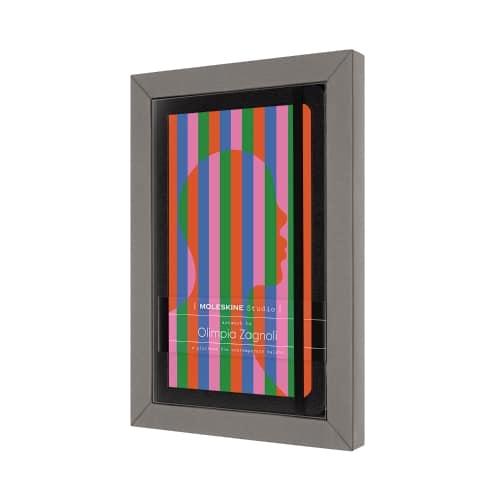
9. A Blank Moleskin Journal.
A black journal can be the repository of thoughts, dreams, reflections and messages for your loved one during a difficult time. Journaling is a proven method of dealing with stress, including grief. Why not make it an even more personal gift by choosing a journal with special meaning, like this limited-edition Moleskin journal ($27.95), with a cover designed by artist Olimpia Zagnoli entitled You See Me.
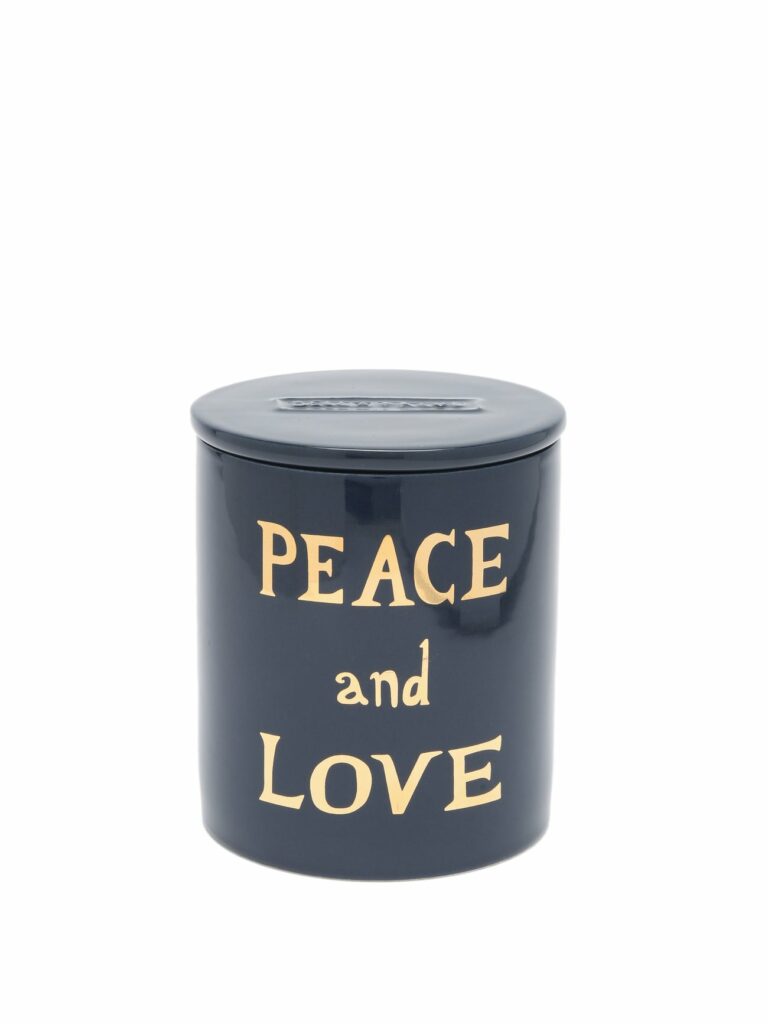
10. a Scented Candle
Fragrance can be a balm for the spirit, and a scented candle can provide warmth, light, solace and even a sense of hope for the future. Bella Freud’s beautiful navy ceramic vessel expresses what we wish for all those suffering from loss. It’s infused with calming notes of patchouli, sage and pink pepper.
11. Gift membership at a Botanical Garden
We close our suggested list of the sympathy gift that might be best for a loved one with an experience, not a product.

Thoughts on what to give as a condolence sympathy gift best for a loved one, other than food or flowers. Photo Credit: New York Magazine.
Being outdoors, surrounded by green space and nature, and having solitude in which to reflect is a proven help for many challenges, including dealing with loss and grief. To make it really easy for your loved one to take a walk, see something natural and beautiful and perhaps return home calmer and more serene, consider a gift membership to your local botanical garden. For example, the New York Botanical Garden has gift memberships available for individuals for less than $100.
Sympathy Gift Best for a Loved One in Grief and Mourning
Those are some thoughts about what might be the best sympathy or condolence gift for a loved one who is grieving, and for whom you’d like to give something other than (or in addition to) food or flowers.
Whatever feels right to you as a loving gesture to your grieving loved one is surely going to be valued and remembered by them. We hope this list may give you some ideas and inspiration for helping someone you care for through the most difficult times. Stay safe and strong, dear reader.
join our community
For access to insider ideas and information on the world of luxury, sign up for our Dandelion Chandelier Newsletter here. And see luxury in a new light.
This article contains affiliate links to products independently selected by our editors. As an Amazon Associate, Dandelion Chandelier receives a commission for qualifying purchases made through these links.