


What are the best books to read in September? We’ve got a few ideas to share. Here’s our take on the best books – novels and nonfiction – to read right now, in the month of September. To feel the perfect balance of light and heavy; silly and serious; and excitement and agita that capture the essential vibe of the month. To feel what you want to feel – or need to feel – as September unfolds.
perfect books to read in the month of September
So many books, so little time! Reading can be one of life’s sweetest luxuries. But how to quickly find the next great volume to dive into?
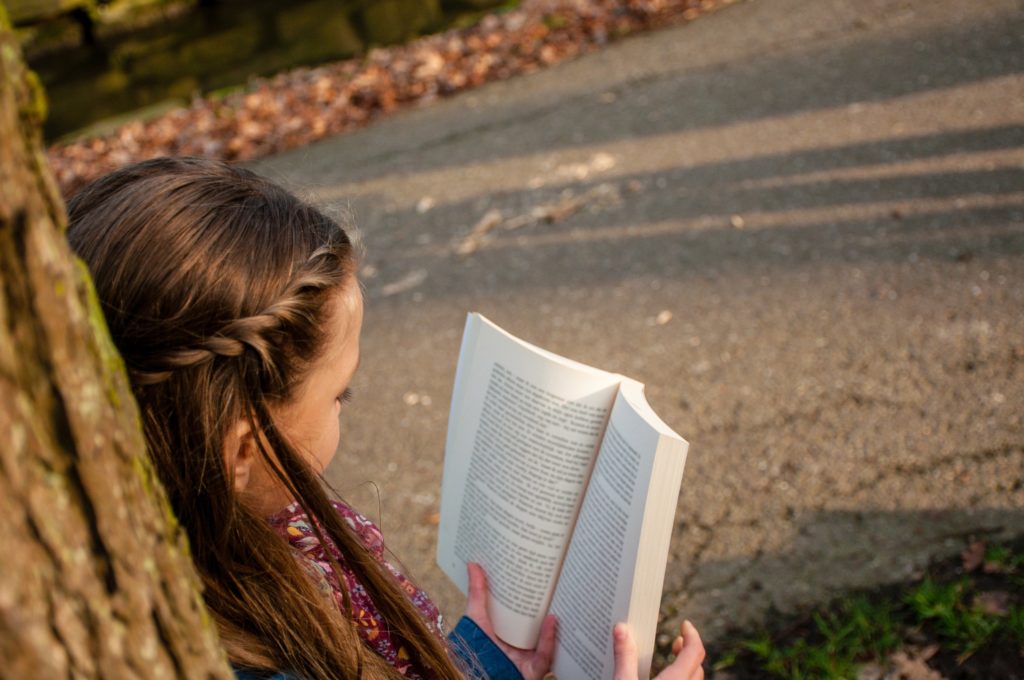
Our picks of the best books – novels and nonfiction – to read in September.
To lend a hand, every month we share our Dandelion Chandelier Recommended Reads: books that we’ve personally read and loved – some brand new, and some published long ago. Selected to suit the season, we think they deserve a place on your nightstand. Or your e-reader. In your backpack. Or your carry-on bag. You get the idea.
In this edition: the best books – novels and nonfiction – to read in the month of September. We think these books best capture the vibe and the essential spirit of September, and will help you experience the autumn joy that this month is all about.
what is the essential spirit of September?
As we move from summer into fall, the beach reads of August must yield to the Serious Fiction and Important Nonfiction of autumn. At least, that’s what the traditional publishing model has always been.
And yet September days are still balmy and summer-like; the evenings are still long; and rosé still feels appropriate, at least for a little while longer. Heck, most of September occurs during the summer, no matter what the conventional wisdom is about the “unofficial” start of fall (and no matter how many pumpkin spice-flavored food and beverage items come our way early this month).
So rather than rushing the season, how about slowing down a bit?
We think the ideal September read is a perfect balance of light and heavy; silly and serious; sweet and sour; escapist, and yet filled with hard truths. Winter may be coming – but it’s not here yet.
Our picks of the best books – novels and nonfiction – to read right now to feel the mood of September.
So what’s the perfect reading list for the month of September? It should strike precisely the right late-summer breezy note.
perfect books to read in the month of September
Given all of that, here’s our list of perfect books for September. They’d pair well with sweater weather, a bouquet of sunflowers, or the last lingering days of lolling by the pool. With a solo meal out on the terrace, cute fall boots, leather jacket days, or a misty morning in the woods. And that first day when the crisp snap in the morning air reminds us that autumn has finally arrived.
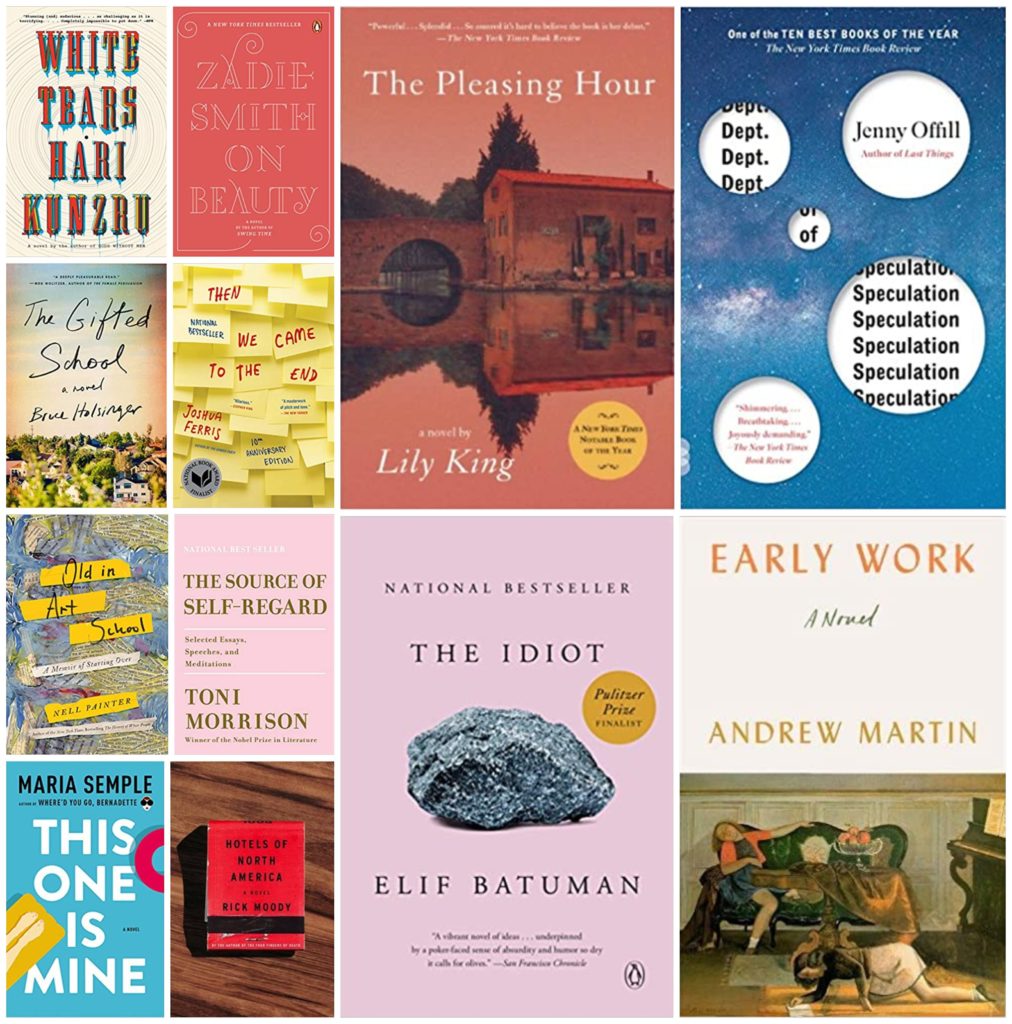
Our picks of the best books – novels and nonfiction – to read right now to feel the mood of September. Courtesy Photos.
1. Early Work by Andrew Martin.
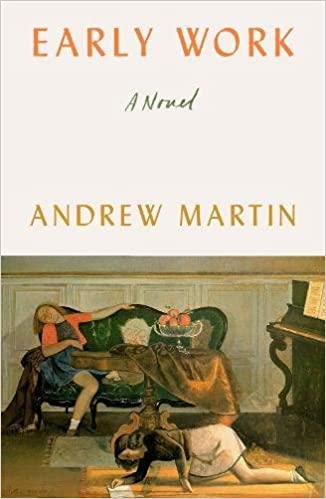
Early Work gets our nod for “Most September of all.” Why is it at the top of a list of books and novels that are perfect to read in September? Because it’s a sharp, funny, melancholy debut novel set in Charlottesville, Virginia about a summer love affair between two writers in their mid-20’s that burns red hot for a while. And that starts to frost over as the autumn arrives. It’s smart, sweet, and honest about relationships between two talented people working in the same field — and if this early work is any indication, we’ll be longing for more from Martin long after the summer is gone.
2. Department of Speculation by Jenny Offill.
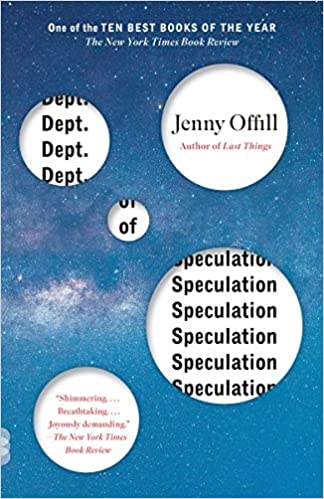
The New York Times named Department of Speculation one of the most influential modern works written by a female novelist. Published in 2014, like Early Work, it’s the story of a strained relationship between two highly intelligent people. But in this case, the protagonist is a married new mother, struggling with issues of trust, intimacy, ambition and purpose. The format is ground-breaking — spare, austere and yet deeply emotional. It’s a must-read any season, and particular perfect for the autumn.
3. The Gifted School by Bruce Holsinger.
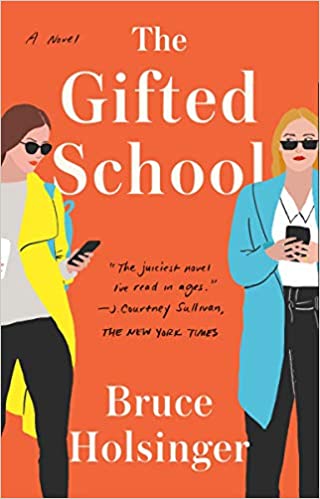
Next up on our list of non-fiction books and novels best to read in September is a twist on back to school. Nothing triggers a parent with high ambitions for a child more than the topic of private schools: how to get in, how to pay for them, and once enrolled, how to scale the heights of the rigid social hierarchy among the parents and faculty. What better read for back-to-school season, then, than The Gifted School – a smart debut novel about the arrival in the fictional town of Crystal, Colorado of a new school for gifted and talented students. A send-up of the pursuit of prestige at any price – and an eerily prescient warning about the college admissions bribery scandal – this is a page-turner about what happens to friendships, careers, and kids when parents will do anything to help their offspring succeed.
4. The Displacements by Bruce Holsinger.
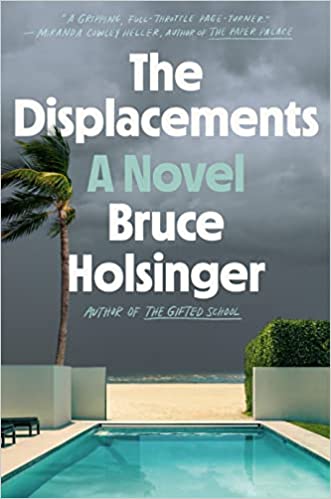
Bruce Holsinger is also the author of the next book on our list of non-fiction books and novels best to read in September. The Displacements is a riveting novel about the seemingly intractable problems of climate change and race relations in America. Oh, and it also illuminates the knotty issues of white privilege, immigration, class divisions, the opioid crisis and the proper role of the Federal government. That may make it sound heavy and pedantic – it’s not.
September is right in the middle of hurricane season, and this is a fictional account of what happens to several families when a Category 6 hurricane – the most viscous ever seen in recorded history – levels all of Miami, Miami Beach and their surrounding communities. Where does one go when everything is lost? And when the very idea of home is obliterated? What happens after the news cycle moves on, but the devastation remains? The literature of hurricanes demands that we think about all of these things and more. And this is a fine entry in the pantheon of fiction meant to make us face hard truths about climate, and race, and the meaning of family.
5. On Beauty by Zadie Smith.
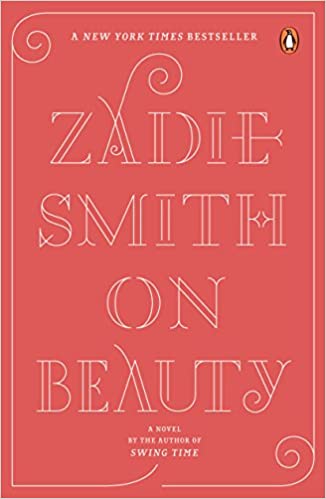
As universities awaken from their summer doldrums and come sparkling back to life in September, it’s the perfect moment to read On Beauty, a witty and sharp novel set in the world of academia. The story of an interracial family living in the university town of Wellington, Massachusetts, the plot is filled with misadventures in the culture wars on both sides of the Atlantic. Underneath the breezy tone is a serious meditation about who gets to be called “beautiful,” and why. Smith won the Orange Prize for fiction for this novel in 2006, and it remains eerily relevant, funny and provocative today.
6. The Idiot by Elif Batuman.
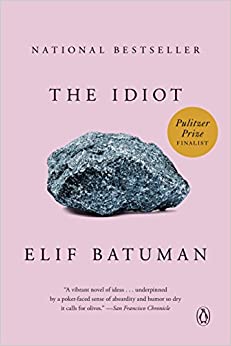
What could be better for a list of non-fiction books and novels best to read in September than a work of fiction about freshman year in college? The Idiot is a bit of a long read, but if you hang in you’ll be rewarded by this sincere, frank and deeply-felt tale of a Harvard freshman having a bewildering flirtation with a senior classmate, and her misadventures trying to win his heart and understand her own. A perfect back-to-school read that will remind you – perhaps all too well – of what it felt like to be 18 and facing the world on your own for the very first time.
7. Either/Or by Elif Batuman.
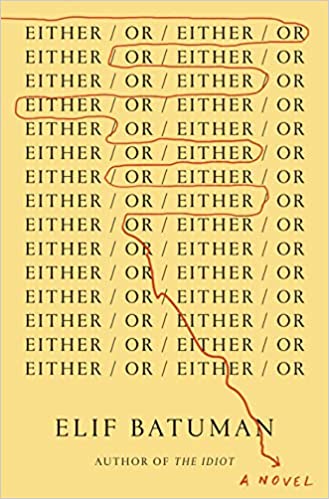
As Either/Or begins, Selin – the protagonist of the aforementioned novel The Idiot – is back on campus at Harvard for her sophomore year. She’s surrounded by an eclectic group of friends and roommates – but she can’t stop thinking about Ivan, her freshman year crush. What follows is a year of confusing interactions, frustrations, depression and renewed resolve. Plus sex, alcohol and a couple of cute outfits. By the time the summer after her sophomore year ends, though, Selin emerges stronger and more confident. It’s a tender and genuine portrait of a brilliant young woman learning how to make her way in the world. And yes, it made us cry.
8. Old in Art School: A Memoir of Starting Over by Nell Painter.
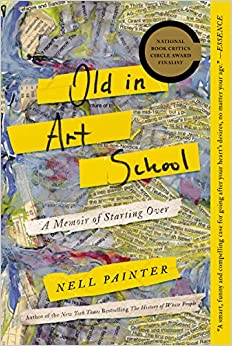
For many of us, September is like the New Year: a chance to start fresh, to hit the reset button, to chase our dreams in purposeful ways. Which makes Old in Art School completely on-point as a non-fiction book that’s a perfect September read. This is the delightful memoir of a historian (the aptly-named Nell Painter) who retires from the faculty at Princeton and enrolls in her sixties at the Rhode Island School of Design to pursue a BFA and MFA in painting.
In addition to providing inspiration, Painter’s memoir is also a profound meditation on the meaning of art and beauty. How are women and artists seen and judged by their age, looks, and race? What does it mean when someone says, “You will never be an artist”? Who defines what “An Artist” is and all that goes with such an identity, and how are these ideas tied to our shared conceptions of beauty, value, and difference? You may see yourself differently after reading it.
9. Carrie Soto is Back by Taylor Jenkins Reid.
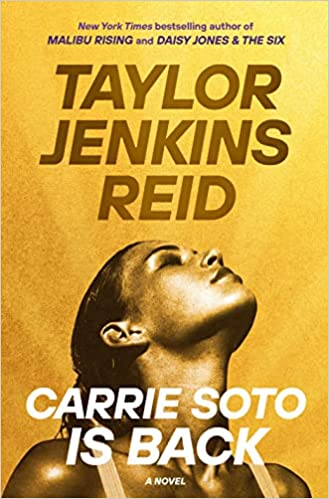
Early September is the season of the US Open in New York City, making this novel from the author of Daisy Jones and the Six – set in the world of professional tennis – a perfect match for the month.
Carrie Soto was once the top-ranked female tennis player in the world. Now, five years into her retirement at age 37, she watches as a new younger woman matches her record-setting 20 Grand Slam wins. Driven to be considered “the greatest of all time,” she comes out of retirement for a season to try to win back her crown. Her father has been her longtime coach, and the source of her relentless drive. As well as her inability to form meaningful relationships.
Are older women (or women of any age, for that matter) allowed to openly chase their dreams of greatness? To revel in victory as obnoxiously as their male counterparts do? Is winning at all costs really an achievement? If our identities are formed only by our professional successes, who are we when those successes dim? Can fierce rivals also be allies? All this, plus a delicious romance. What more could want from a September read? If you loved the movie King Richard, you will devour this book.
10. Groundskeeping by Lee Cole.
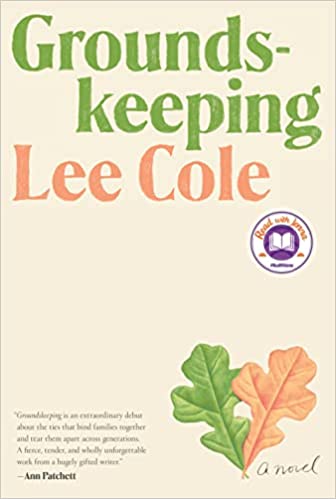
The best books to read in September walk a fine line between tragedy and farce – and when love and politics are also in the mix, achieving that balance is even harder.
Groundskeeping, set in on a college campus in Kentucky, is a timely meditation on class and political difference in America today, seen through the lens of a romance between two very different students, each of whom aims to be a successful writer. She’s a precocious already-published author doing a short-term residency at the university. He’s a recovering drug addict living with this grandfather in a run-down shack and working full-time on the campus grounds crew. The job allows him to take one university course for free, so he embarks on the study of creative writing. The profound issues of who owns whose story, and whether the distance between the red and blue communities in America can ever be bridged are brought to poignant life in this splendid debut.
11. This One is Mine by Maria Semple.
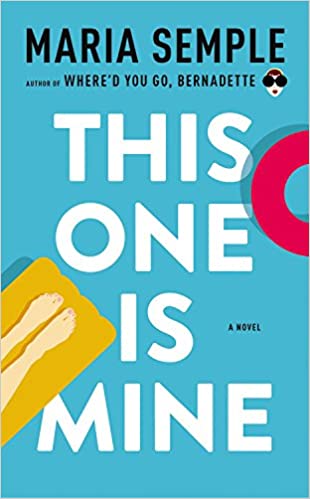
Semple is justifiably well-known for her classic Where’d You Go, Bernadette?, which is a truly fantastic novel. We stumbled across her first novel, This One is Mine, at a local bookstore and loved it. It’s an excellent introduction to her oeuvre. And a really good read: raunchier and rawer and just as witty as Bernadette.
It’s a similar tale in many ways: a mother and wife living on the West Coast has all the material goods anyone could want, but is still deeply unhappy. Her chosen solution to this dilemma is quite different than the ones chosen by the protagonists in Semple’s other two novels, though. You’ll nod in recognition as you hear the author’s voice in this first outing, and reflect on how it has evolved over time. Fall is for new beginnings, and this novel marks the start of a brilliant writing career.
12. The Pleasing Hour by Lily King.
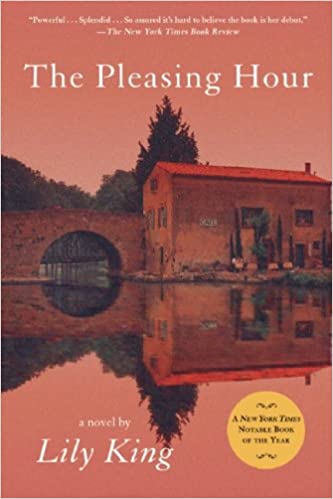
The Pleasing Hour is the brilliant writer Lily King’s debut novel. It’s the poignant coming-of-age story of Rosie, an American au pair in Paris. She’s fleeing an unspeakable loss, and struggling to connect to Nicole – the distant and sophisticated mother of the three children she cares for. Meanwhile, her bond with the patriarch of the household becomes erotic and destructive. You can see the seeds of King’s later powerful novels like Euphoria in this deeply moving and insightful work.
13. Hotels of North America by Rick Moody.
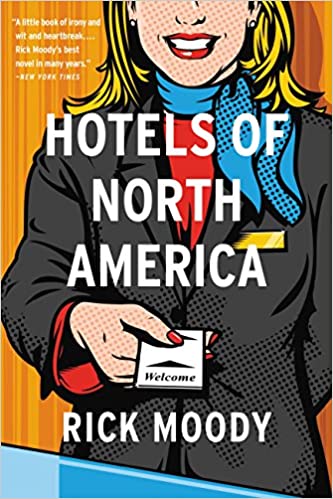
Autumnal melancholy permeates the lovely novel Hotels of North America. Think of it as “Up in the Air,” but on the ground. Reginald Edward Morse makes a living one of the top reviewers on a fictional website, RateYourLodging.com, that’s similar to Trip Advisor. As we read his reviews, we hear the story of his life. Love, loss, disappointment and stubborn hope emerge as he writes in a wry and sometimes hysterical voice about hotel properties both grand and humble. It’s a wonderful read: funny, poignant and realistic about how work is both a shield and a barrier when it comes to our most intimate relationships. By the end, we’re prepared to join him on whatever journey he decides to undertake next.
14. Then We Came to the End by Joshua Ferris.
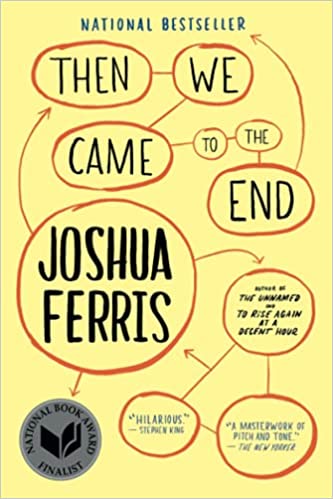
Gorgeously written, funny, sharp and elegiac, Then We Came to the End is the story of a failing ad agency in Chicago, and how its rag-tag group of employees handle the stresses and humiliations of downsizing and failure. A work family as dysfunctional as any we’ve seen alternately plays pranks on each other, indulges in gallows humor, and occasionally succumbs to despair. It’s melancholy and steeped in a sense of loss. But all the way through, the beating heart of the office – with its confusion, fear, loopiness and illogical optimism – feels timely, urgent and achingly real.
15. White Tears by Hari Kunzru.
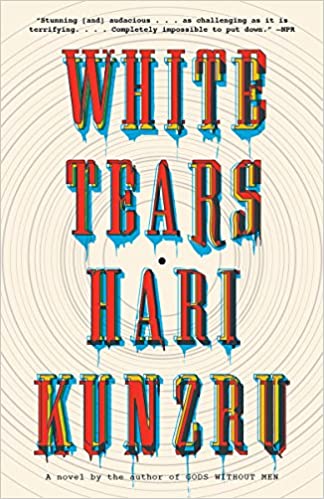
In White Tears, two young white New Yorkers – one a striver and the other a scion of a wealthy family – accidentally record an unknown black singer in a park. When one of them sends it out over the Internet, claiming it’s a long lost 1920’s blues recording by a musician called Charlie Shaw, an old collector contacts them to say that their fake record and their fake bluesman are actually real. Along with one of their sisters, the pair spiral down into the heart of the nation’s darkness, encountering a suppressed history of greed, envy, revenge, and exploitation. It’s ” a ghost story, a terrifying murder mystery, a timely meditation on race, and a love letter to all the forgotten geniuses of American music and Delta Mississippi Blues.”
16. Hot Stew by Fiona Mozley.
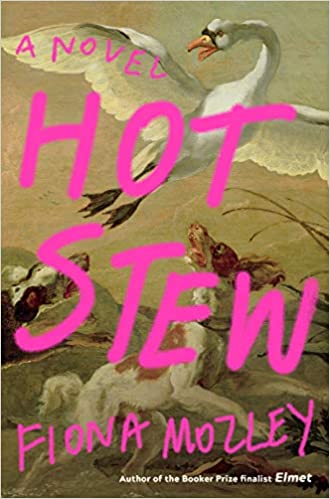
Hot Stew, the latest novel by the author of Elmet, is just what we want for a September read: it’s smart, sharp and just a bit snarky. It features strong women and a couple of good men, along with a rouge’s gallery of odd people – and a particularly memorable dog or two.
The setting is SoHo in London and from the start we get a ground-level view of what life is like for the denizens of this neighborhood. Above a Gallic restaurant live a group of prostitutes who are fiercely independent and who have full agency over their bodies and lives. Into their stable existence comes a young wealthy woman who owns the building they live in. She’s determined to turn it into luxury condos. They’re determined to stop her.
At heart, this is a story not of women against women, but of the chicanery of the rich confronted by the righteous anger of the poor. And of the lies we tell ourselves to get through life, and the price they extract from more people than we may realize. It’s an exceptional book to add to your list.
17. The Final Revival of Opal and Nev by Dawnie Walton.
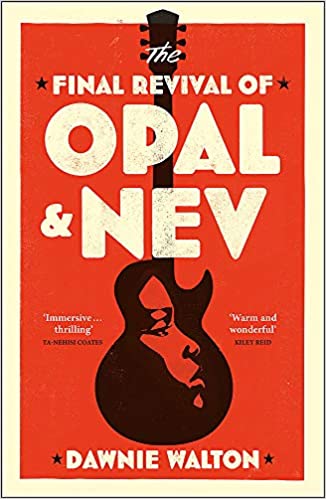
If you loved Daisy Jones and the Six – and we did – then you have to read The Final Revival of Opal and Nev. It’s set in a similar milieu – the cutthroat world of pop music and what it takes for a woman to succeed there. But for us, it cut a lot closer to the bone. Because in this work, race is omnipresent, informing the actions of every character in ways large and small. It feels so of the moment that at times it was hard to remember that it’s fiction.
Opal is a fierce young Black woman from Detroit with an uncanny ability to draw and hold attention when she’s performing. Thanks to alopecia, she’s bald – but she’s a sexy, powerful icon to many – especially other Black women. Nev is a songwriter and singer from England who needs a spark to ignite his musical career. Together they become famous – and infamous – for a New York concert that degenerates into a race riot.
It may sound grim, but it’s not. The tone is frank, yet hopeful that even in the darkest days (sort of like the ones we’re living in right now), art and courage can save us. And maybe even save the world.
18. The Other Black Girl by Zakiya Dalila Harris.
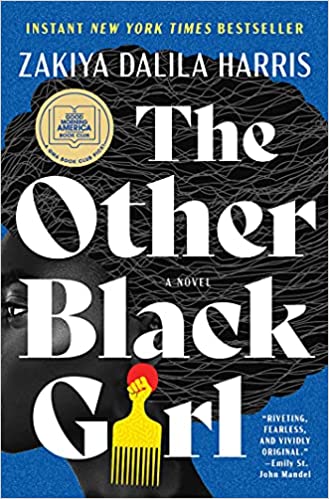
The Other Black Girl has been buzzed about since before its publication as an expose of the publishing world, its lack of diversity and the way that affects the handful of Black women who actually gain roles and a soupçon of power in this rarified industry.
Having read it – and being Black women ourselves – we can confirm that all of the hype is true. This is a savvy and insightful portrait of what it’s like to be The Only Black Woman. And what’s it like when Another Black Woman appears in the same workplace. The plot takes a turn that we were happy to ride along with, and we see a sequel in the future. There are more and more novels that take on the role of young Black women in society – what’s expected of them, what they expect from themselves, and what can happen when those lofty goals meet the jagged reality of life in a large corporation. These characters have agency, and needs, and big dreams. All we can say is: More like this, please!
19. The Source of Self-Regard: Selected Essays, Speeches, and Meditations by Toni Morrison.
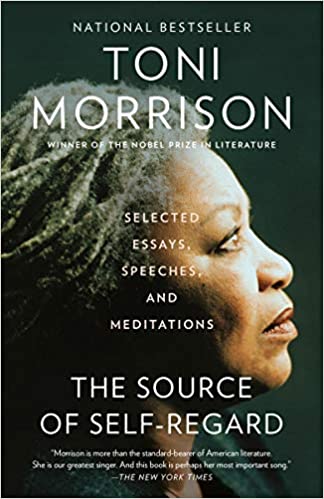
If September is about going back to school, then one of the greatest joys of the month is receiving knowledge and wisdom from teachers, professors, and fellow students. So we end our list of the best novels and nonfiction books to read in September with The Source of Self-Regard, a collection of works by the great Toni Morrison that spans four decades. It is divided into three parts: the first is introduced by a powerful prayer for the dead of 9/11; the second by a searching meditation on Martin Luther King Jr., and the last by a heart-wrenching eulogy for James Baldwin. What better way to remember Septembers past and gain courage and guidance for the Septembers still to come?
the best books – novels and nonfiction – to read in September
There you have it: nearly 20 of the best books, both novels and nonfiction, to read to help you feel what you want to feel – or need to feel – in September. Reads that are urbane and wry, sophisticated but not overly serious, uplifting but not saccharine. Books that capture the mood and essential essence of September. They’re just what what we need to help us make our way with purpose into the autumn this year.
What’s on your list this month, dear reader?