

Have you heard? Of course you have, because for at least a few moments last week the fashion world was solely focused on a seminal 2021 event. No, not the D.C. insurrection. The Disappearance of Bottega Veneta from social media. Which got us to thinking: is mystery the new authenticity? Is a whisper the new shout? Is this a bad move or a boss move? Perhaps the new definition of luxury brand power is this: real power is when a brand is so strong it can disappear from Facebook, Instagram and Twitter and other social media and still be the object of clamorous attention and intense desire. Political types, you might also want to take note.
boss move or bad move? Bottega Veneta disappears from view on social media
Days ago, global luxury best-selling brand Bottega Veneta took a step that caught the fashion world completely off guard. The marque called in quits on social media, deleting its accounts on Instagram, Twitter, and Facebook (which at last count had 2.5 million followers).
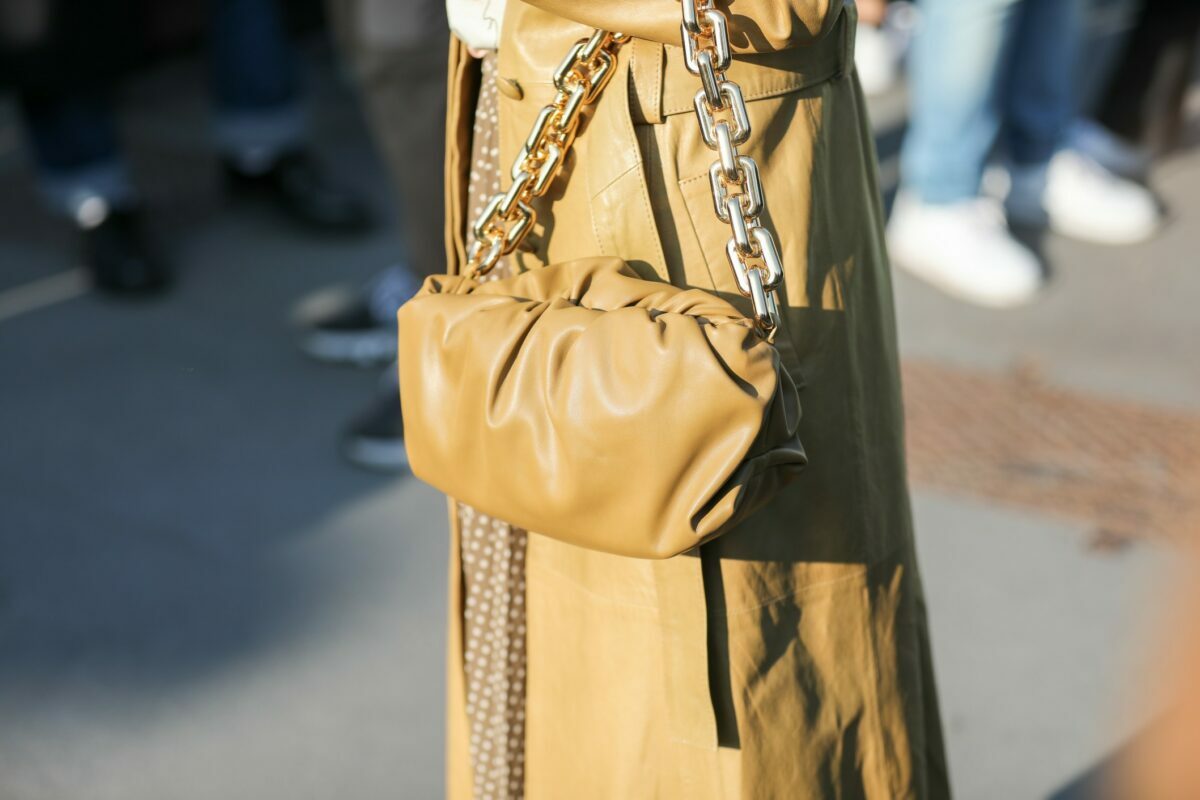
What Defines Luxury Brand Power? Disappearing From Social like Bottega Veneta
As Vogue reported: “No more Twitter updates, no more Instagram photos, and no more Facebook posts from the Italian luxury brand that has, under creative director Daniel Lee, become a rising star in Kering’s portfolio. ”
What gives, you ask?
Dear reader, it’s back to the future in luxury land.
[white_box]Join our community
For access to insider ideas and information on the world of luxury, sign up for our Dandelion Chandelier newsletter. And see luxury in a new light.
sign up now >
[/white_box]
can a luxury brand actually thrive with no social media?
In the digital world, it has always been the case that for some luxury brands, word of mouth is preferable to social media. What better way to stand out in a cacophony of digital noise than by declaring that analog is the new digital? That silence is the new shouting?
Way back in the Before Times, in 2017, here at Dandelion Chandelier we covered this phenomenon in luxury travel. A devotee of the ultra-luxury and extremely discreet destination health and wellness retreat Vana in Dehradun, India. noted in passing that the brand had exited social media – completely. No website with images of a dreamy tropical paradise. No sauna selfies.

Can a power luxury brand like Bottega Veneta thrive with no social media, including Twitter and Instagram?
Why? we inquired. “They are out of any social media,” the person responded. “They don’t like to do promotion for their retreat at all. It is their philosophy.” Our source sent us a screenshot of a Vana Retreat post from a year earlier. A simple placard stated “We’re taking a retreat from social media.” They posted it on their Facebook page for a couple of weeks. Then they shut down all of their accounts and digitally disappeared.
After a bit of research and reflection, it’s clear that in some luxury precincts, mystery has long been a powerful lure. Social media was supposed to result in the great democratization of luxury – no more velvet ropes, virtually or otherwise. Everyone was supposed to have access to everything. But then . . . if everyone knows everything, where’s the coveting, the lust, the desire, the fun of the chase?
[white_box]Related Post
innovative gift ideas in a time of social distancing
read more >
[/white_box]
the power of being in the know trumps social media
A core tenet of luxury has always been “you have to know someone.” Just before coronavirus struck, a friend invited us to join her at a secret club somewhere on the Lower East Side with a hidden door, just like in Prohibition days. Lots of cool, plugged-in people were known to hang out there. And it’s a certainty that you wouldn’t find this joint’s address on Google.
Lots of articles in the fashion press note that Bottega lead designer Daniel Lee was employed by “the famously offline” Phoebe Philo at Celine. During her tenure, Celine had a website but no e-commerce. Hermès has followed a similarly sparing social media strategy, as has The Row.
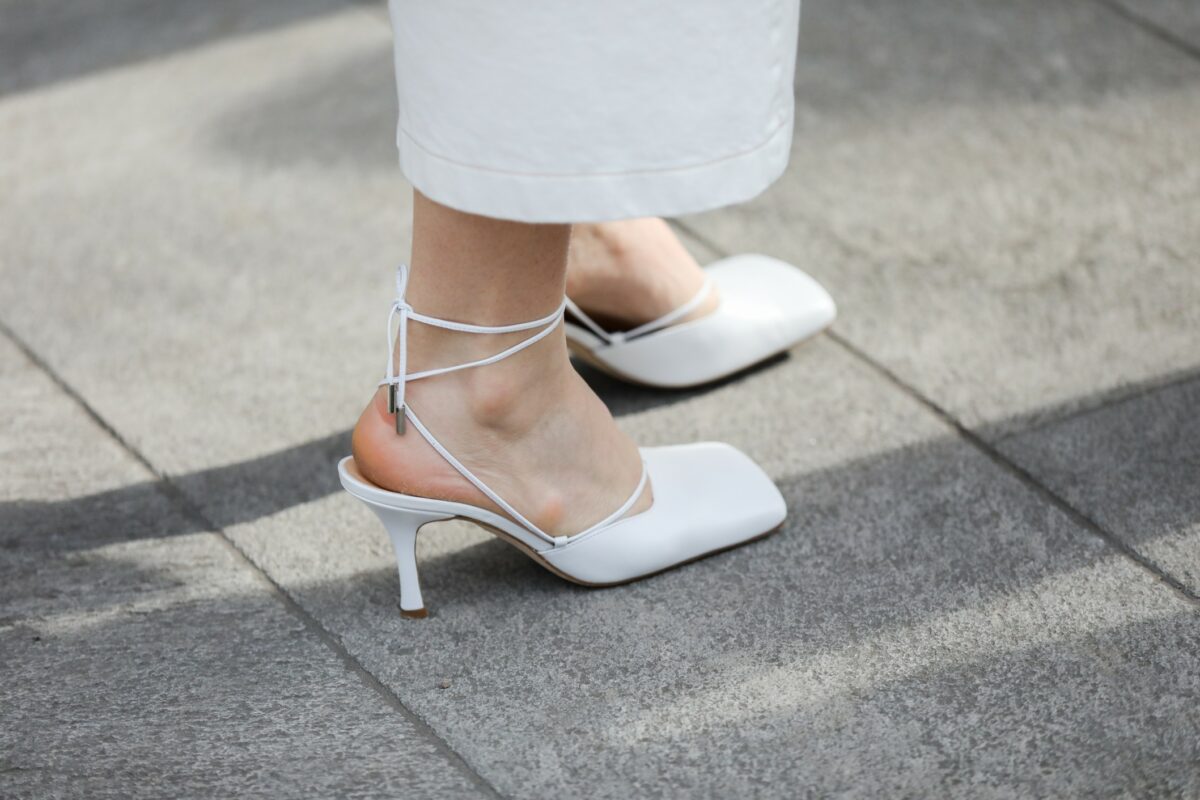
Can a power luxury brand like Bottega Veneta thrive with no social media, including Twitter and Instagram?
And this isn’t just a fashion or travel phenomenon. In big cities, for years now people have been self-organizing into small clubs — some with clubhouses — that are known only to the members and their friends.
There was a time when a new club wanted you to know all about it, and to see photos of fabulous people doing fabulous things there. Remember the launch of the Core Club? Even if you couldn’t get in, a new club wanted you to know all there was to know about their membership experience.
Now, private clubs are becoming . . . well, private.
The Finals Clubs at Harvard and the Secret Societies at Yale may not wield the social influence they once did. But plenty of other secret clubs and societies are popping up in wealthy precincts all over the world unbeknownst to nearly everyone.
[white_box]Related Post
creative ways to welcome the new year 2021 on social media
read more >
[/white_box]
scarcity = luxury, which could mean no social media
When you think about it, this all makes perfect sense – even if you take COVID-19 out of the picture.
Scarcity is a core tenet of luxury, and a heightened level of mystery created by extremely limited distribution and promotion is a great way to create it. Hermes has been onto this strategy for decades – witness the years-long wait lists for Birkin bags. Chanel has a similar strategy, strictly controlling the numbers of each handbag produced each year.
The luxury “farm hotel” in the Western Cape wine region of South Africa, Babylonstoren, proudly dictates how guests will experience their resort. It’s either on their terms, or not at all. What works in romance works in retail: playing hard to get is extremely effective in getting what you want.
who’s in control?
Exiting social media is also a fantastic way to control your brand image: if you have a vision for what your online aesthetic should be, why allow any user-generated content to pollute its purity?
In a contrasting approach to Vana Resorts, Aman Resorts are all over Instagram, and perhaps not always in the way in which they’d like to be. Their Instagram bio reads “Welcome to Aman. 31 destinations in 20 countries. Tag your image #Amanjunkie or #Amanjunkies to be featured and credited.”
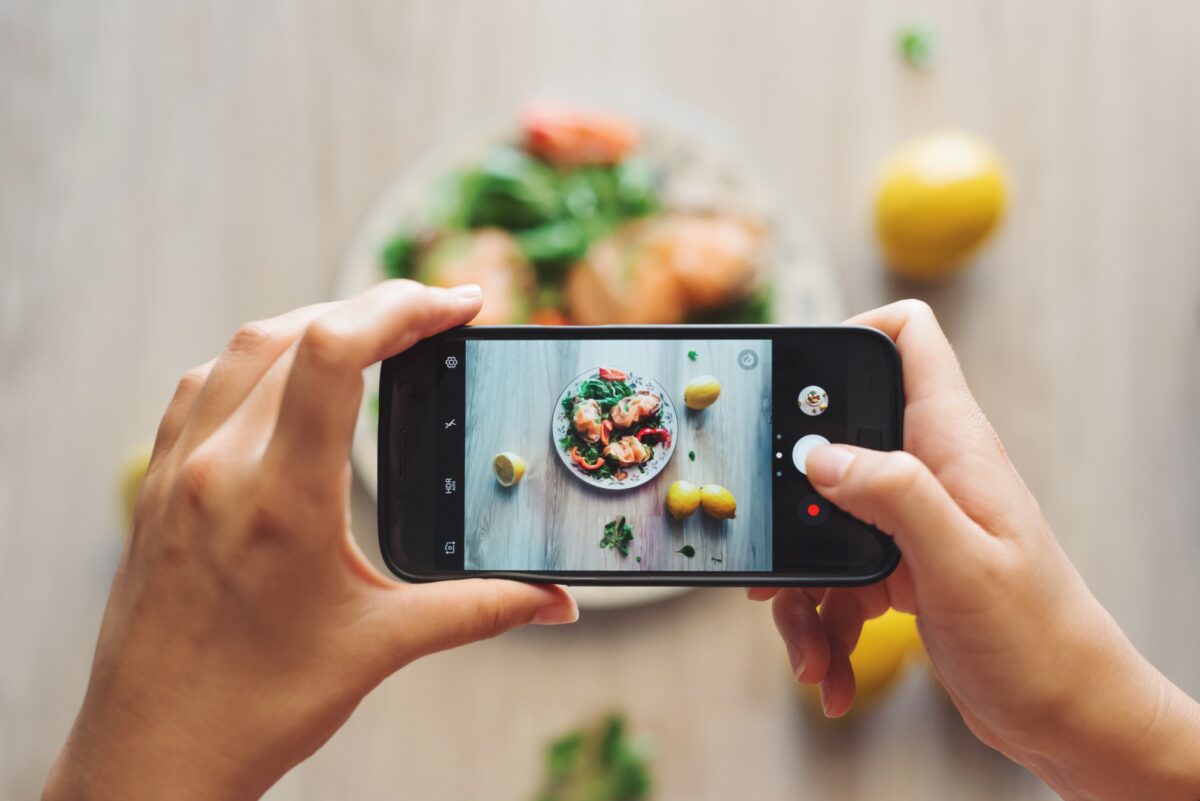
Can a power luxury brand like Bottega Veneta thrive with no social media, including Twitter and Instagram?
A coy sign essentially saying “we don’t want to feed the social media beast anymore” is a brilliant way to signal that a luxury property is actually serious about being a sanctuary for its guests. No selfies, no surreptitious photographing of fellow residents. And no consumer promotion that isn’t fully controlled by the brand.
It’s flexing luxury brand power in a cool new way. Actually, in a really old way.
[white_box]Related Post
how teens use social media while social distancing
read more >
[/white_box]
its a moment of serious social media fatigue
And let’s face it. Here in 2021, there are a lot of people who are experiencing severe social media fatigue. Some of the jet set were never online to begin with. Others are heading for the exits.
My cousin posted on Facebook just last week that he is thinking about disabling his account and taking a break. He feels “it may have run its course.” New York Magazine featured an article with a similar theme just last week. A trend in the making? Too soon to tell.
In the meantime, we know that the Greta Garbo strategy won’t work for every luxury brand. But if the goal is absolute privacy, exclusively and attracting only the “right” people, pulling the veil over the operation online is a great sign of confidence.
bottega veneta says “bye” to social media
Seen in this light, having no visibility on social media was a genius move for Bottega Veneta. At least in the short run. It’s a luxury brand power move of the highest order. Possibly a prescient one.
The clear message? If you’re right for this experience, you’ll find it (or it will find you). And if not, you don’ even need to know about it. As luxury marketers, we respect that. Well played, Bottega.
join our community
For access to insider ideas and information on the world of luxury, sign up for our Dandelion Chandelier Newsletter here. And see luxury in a new light.