

OK, we have to admit it. As much as we love snow, we’re kind of itching for the start of the spring season. So we decided to take a journey through the world of paintings to find the most influential, beautiful, famous and evocative masterpieces – both historical and contemporary – on the season of Spring and the joys of springtime. We’ve rounded up a list of some of the most stunning paintings we could find that will help you get in the mood for the arrival of the new spring season this year.
beautiful and evocative portraits of spring
Spring has not quite sprung, but as the days tick closer and closer to the vernal equinox, we are impatiently waiting the arrival of warm weather. With the holidays behind us, winter can start to feel like a slow crawl towards sunshine. We are totally ready for the first day of spring!
Not surprisingly, throughout history spring has been of natural interest to many artists. Its bright and joyful quality seems to call their brushes to it. And as a result, we have many incredible paintings of gorgeous greenery and fragrant gardens to inspire us during the dark days of winter. But there are also depictions of spring fever and giddy love affairs. Rainy days. And windy ones perfect for flying a kite. Stunning abstract evocations of the very essence of spring: rebirth and rising, liberty and lightness. And joy.
famous, evocative and beautiful paintings about spring
Here are our picks for some of the most influential paintings of springtime, to help us get in the mood for spring and happily pass the time until we can shed our coats and share a picnic in the park.
paintings of spring fever and love in bloom
In our humble opinion, a proper list of gorgeous paintings about the spring has to begin with evocative images of spring romance.
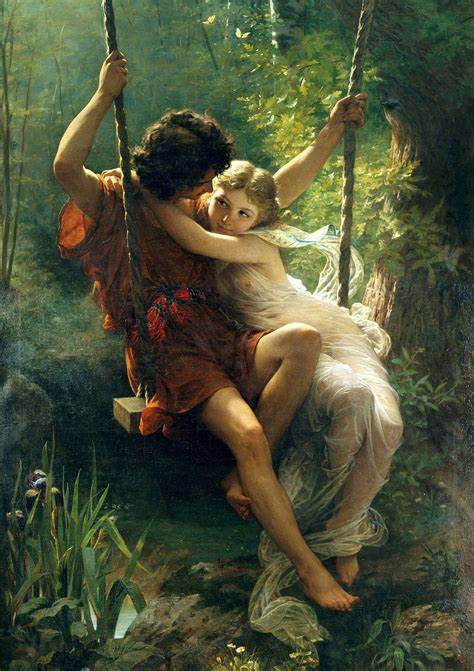
1. Springtime, 1873, Pierre-Auguste Cot
You can find this ode to the magic of springtime romance prominently displayed at the Metropolitan Museum of Art in New York. First exhibited at the Salon of 1873, the picture was Pierre-Auguste Cot’s greatest success. It has been widely admired and copied in engravings, fans, porcelains and tapestries in the years since its first public display.
Famous influential beautiful pictures about Spring.
The painting’s first owner, hardware tycoon John Wolfe, awarded the work a prime spot in his Manhattan mansion. The notes from the Met report that “visitors delighted in ‘this reveling pair of children, drunken with first love … this Arcadian idyll, peppered with French spice.'”
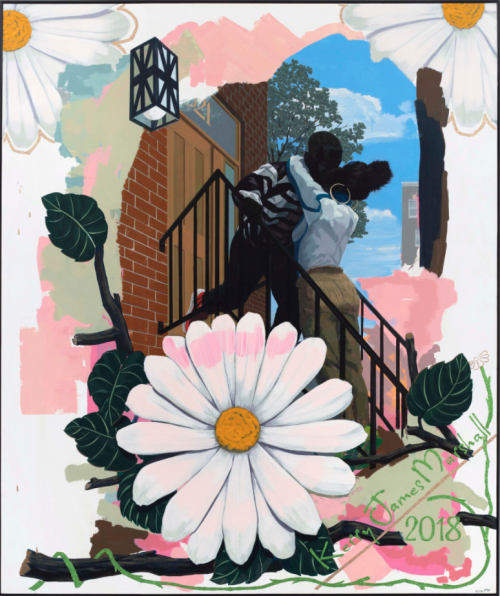
2. Vignette (The Kiss), 2018, Kerry James Marshall
In a very different era, Kerry James Marshall conveys that same sense of wild abandon between two young lovers. Vignette (The Kiss) is an intimate scene of two young people sharing a passionate kiss on the steps of a building, oblivious to anything else that may be happening around them.
Famous influential beautiful pictures about Spring.
The vignette was inspired by a real couple the artist saw while driving in a suburb of Chicago. The area was most often associated in the news with crime, and he was moved to memorialize a very different view of the neighborhood and its residents.
allegorical paintings celebrating the arrival of spring
When many experts share their lists of important and influential works about spring, many are allegorical images of Greek and Roman gods and goddesses. Or personifications of the season – which almost always seem to be young female ingenues.
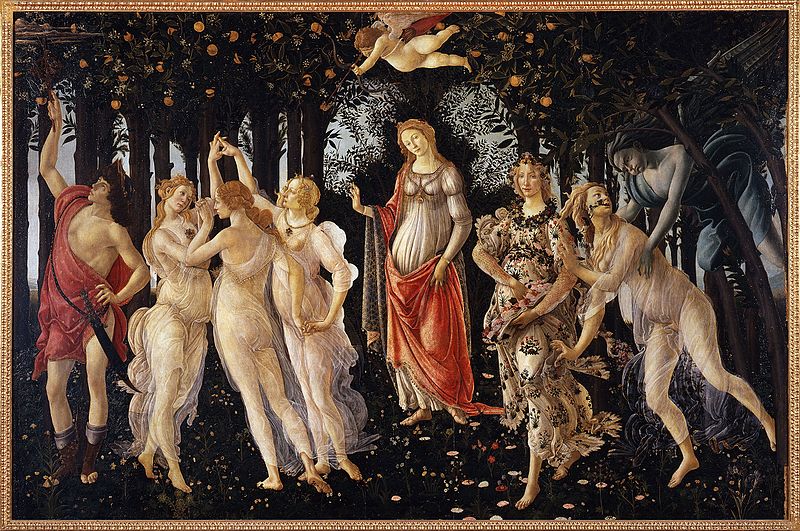
3. Primavera, 1477-82, Sandro Botticelli
Probably one of the most-discussed works of art in the world, this painting resides in the Uffizi Gallery in Florence, alongside the Renaissance master’s Birth of Venus. The painting was likely commissioned by Botticelli’s employers, the Medici, for the wedding of Lorenzo di Pierfrancesco.
Famous influential beautiful pictures about Spring.
Though the exact meaning of its image remains the subject of much speculation, it is understood that it is likely an allegory of the season’s arrival. And that the figures are Venus, Mercury and Cupid – as well as Flora, the goddess of spring.
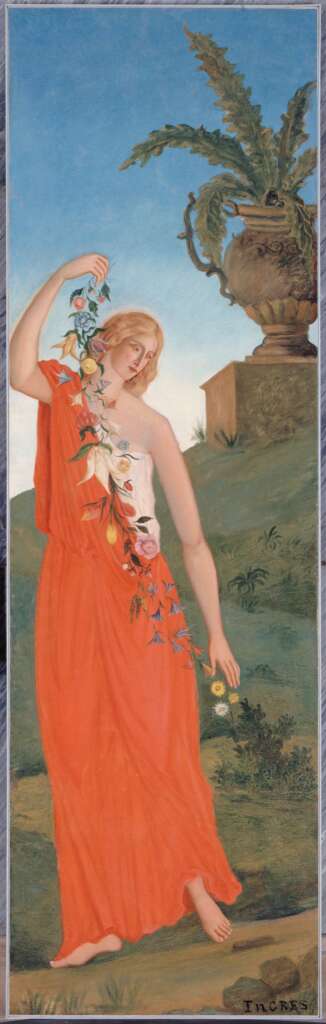
4. Spring (1860), Paul Cézanne
This painting is the first from the Romantic artist’s series of murals entitled “The Four Seasons.”
Famous influential beautiful pictures about Spring.
The execution of these murals, helped convince the artist’s stern banker father to allow his son to go to Paris to study art. You can visit this piece in Paris today, in the Musée du Petit-Palais.
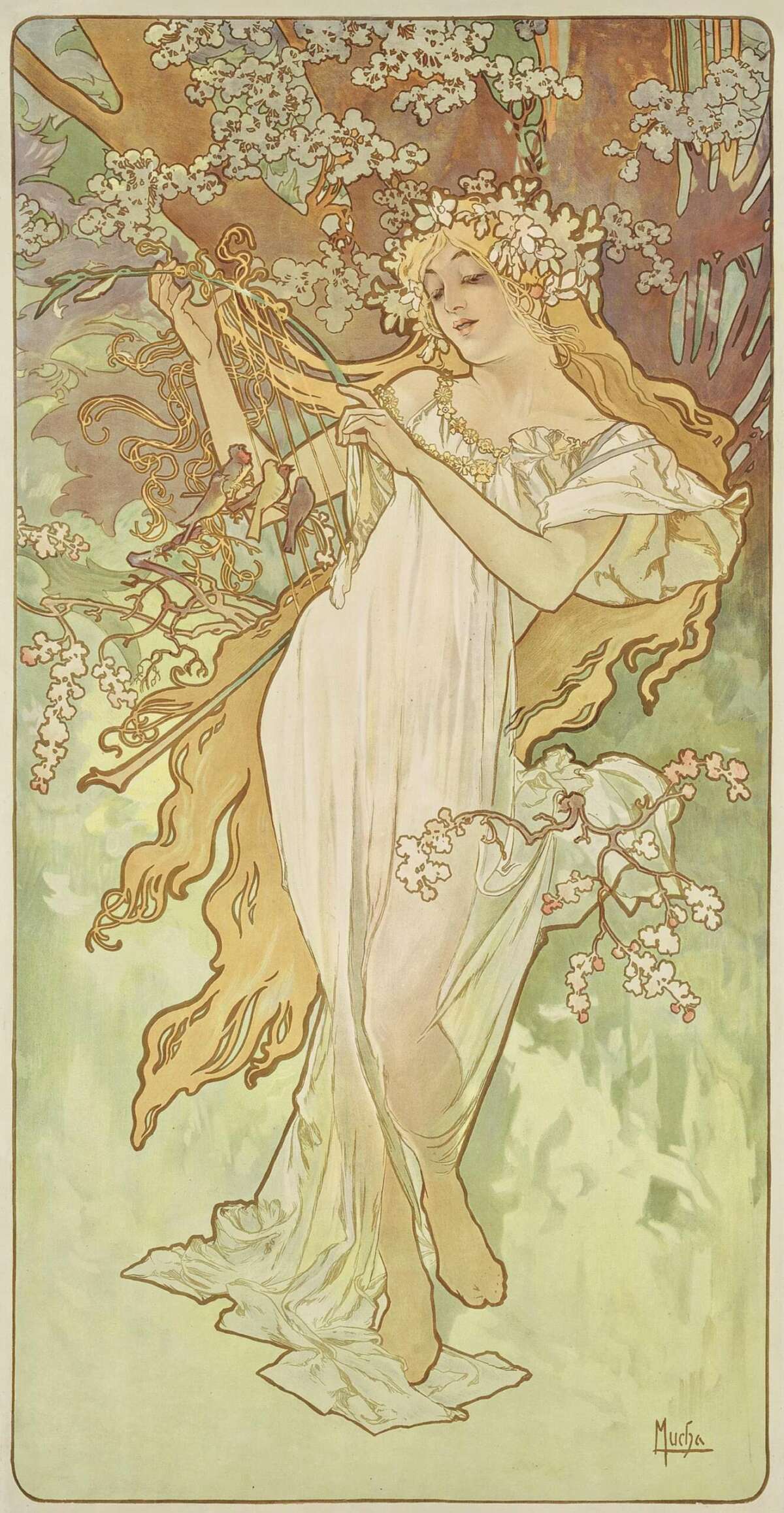
5. Spring (1896), Alphonse Mucha
Part of the artist’s renowned series “The Seasons,” this is Mucha’s personification of spring. While he was not the first artist to create such a seasonal quartet, his interpretations gained great interest in their time.
Famous influential beautiful pictures about Spring.
In his interpretation, spring is portrayed as the most innocent of the four women in the series.
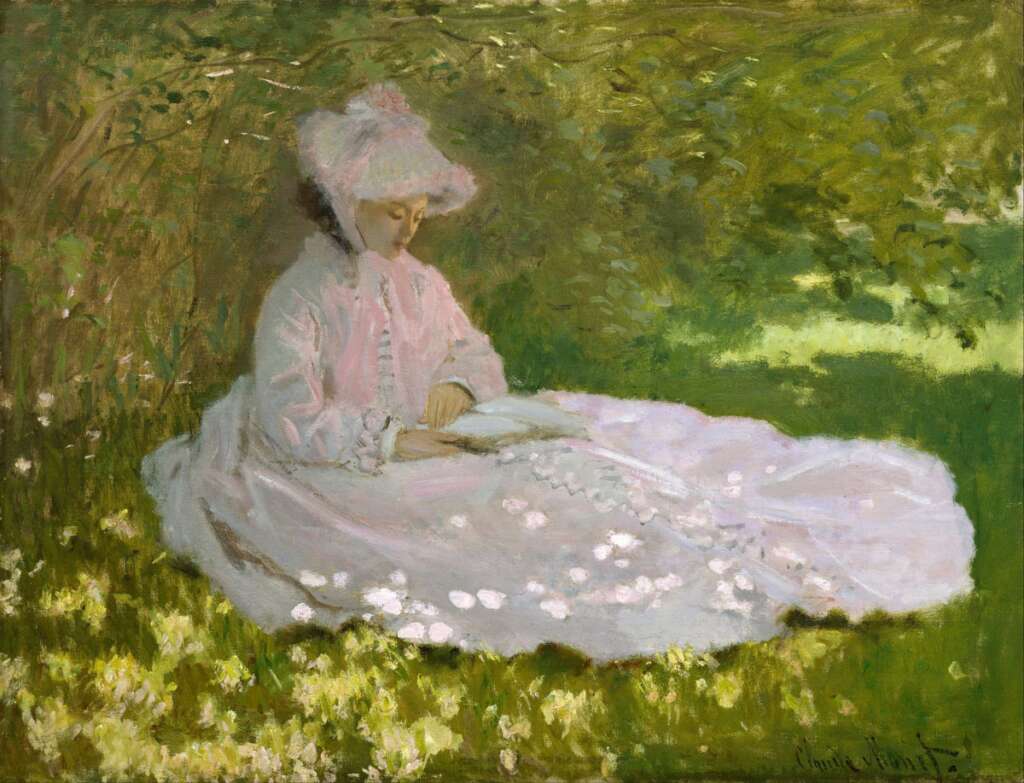
6. Spring (1881), Édouard Manet
One of the greatest works of Manet’s career, this painting was first displayed at the 1882 Paris Salon, and now resides in the J. Paul Getty Museum in Los Angeles, California.
Famous influential beautiful pictures about Spring.
The woman shown is the French actress Jeanne DeMarsy, who is intended to appear here as an embodiment of spring. It was created as part of an allegorical series representing each of the seasons, but Manet passed away before he completed “Summer” or “Winter.”
greenery and the great outdoors
Personally, when we’re seeking paintings about spring, the ones that make us feel the most joy are often landscapes filled with pastel flowers and deep green grass. Its what the Impressionists are best known for, but there are artists from every era who capture this sense of rebirth and joy. City or country, here are some of our absolute favorite spring landscapes.
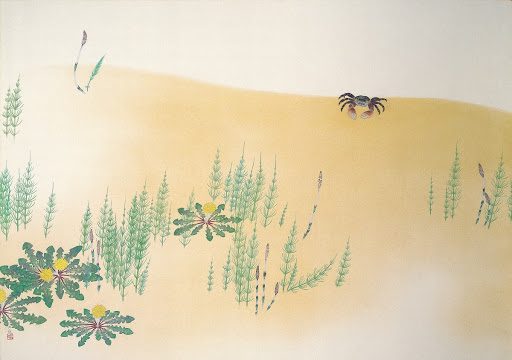
7. Fine Day, Yokoyama Taikan
Yokoyama Taikan (1868-1958) was one of the leading nihonga (Japanese-style) artists of the Meiji and Showa eras.In this lovely work, the artist achieves a magical quality that feels almost like a fairy tale.
Famous influential beautiful pictures about Spring.
As one curator notes “on the bank where horsetails and dandelions grow, a crab suddenly appears.” The background is dreamy and serene, and you can almost feel the warmth of the sun on your face as you observe it.
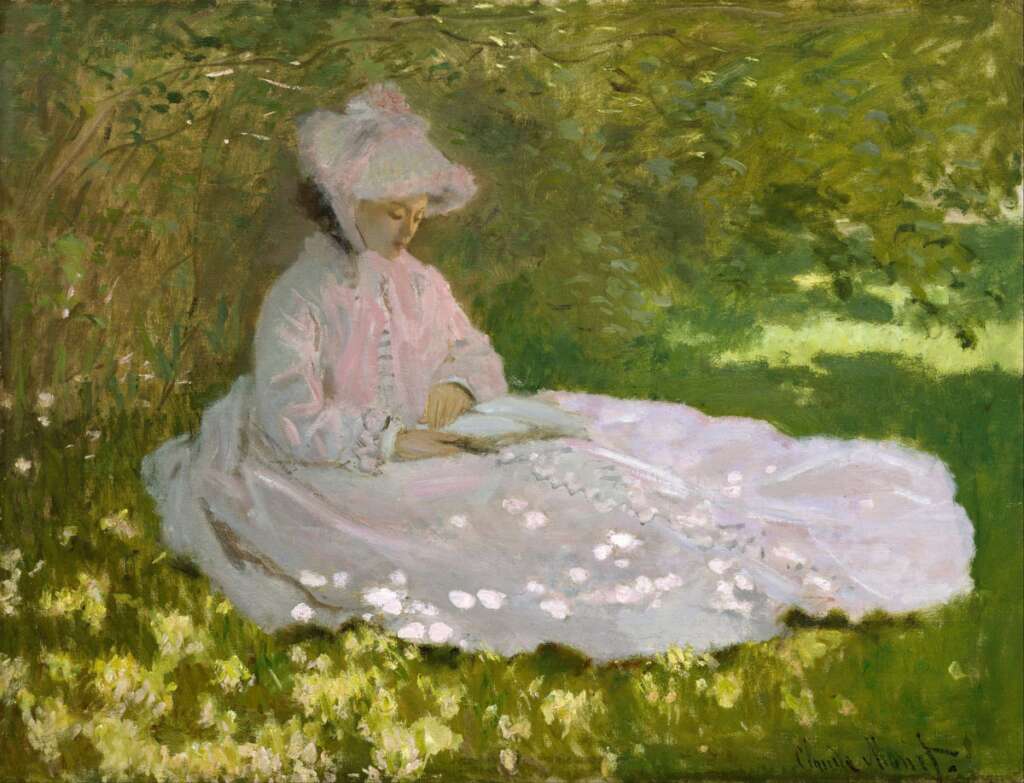
8. Springtime (1872), Claude Monet
The impressionist master Monet is perhaps the person whose work we most associate with the season of spring. Here he paints his first wife, Camille Doncieux, who often served as the subject of his art during their marriage, and who also modeled for other Impressionists.
Famous influential beautiful pictures about Spring.
The scene is set in Argenteuil, where they lived at the time. The painting is currently in the collection of the Walters Art Museum in Baltimore, Maryland.
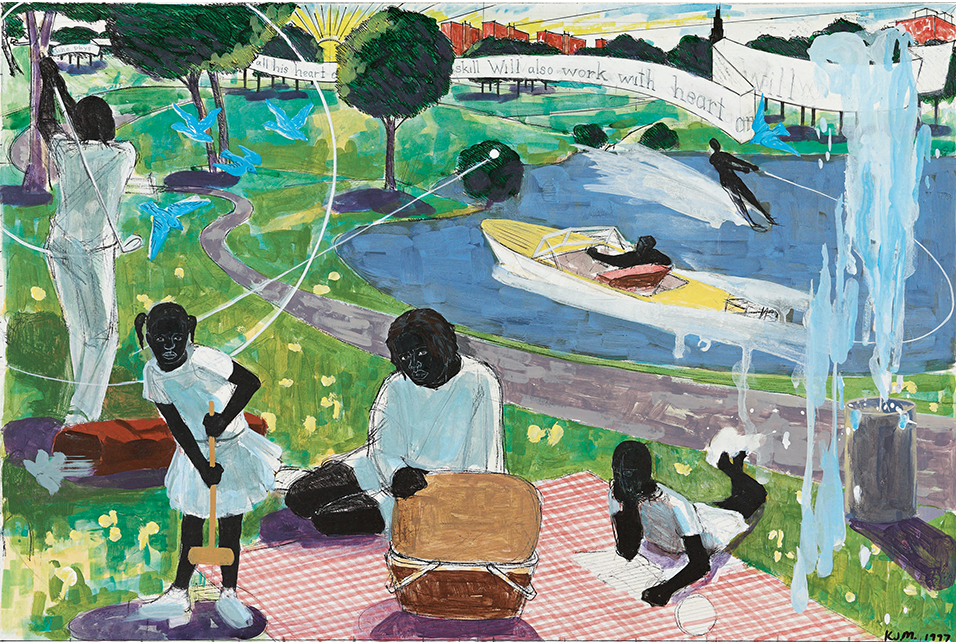
9. Study for Past Times, Kerry James Marshall
Famous influential beautiful pictures about Spring.
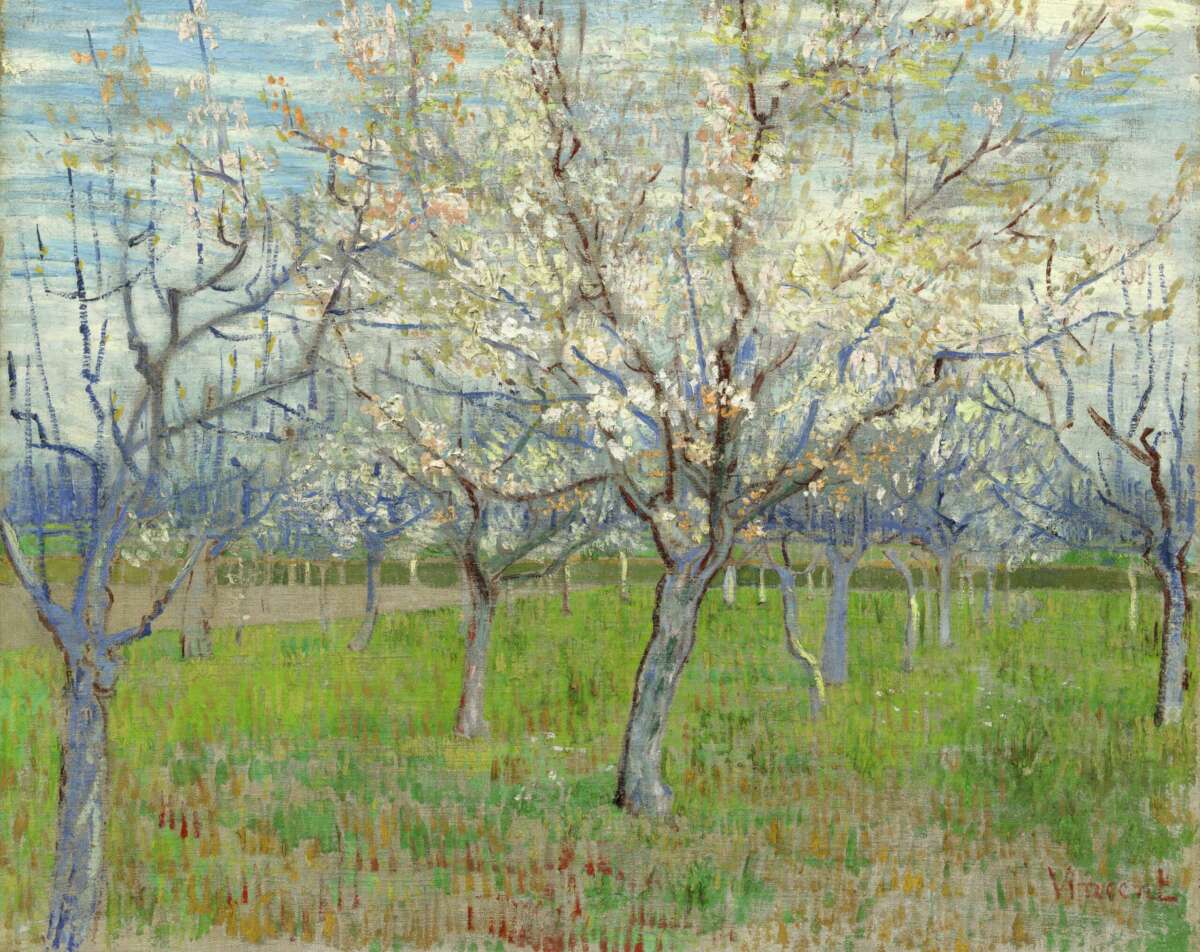
10. Pink Orchard (1888), Vincent Van Gogh
This work is part of a series called ‘Flowering Orchards,” which the Dutch painter completed during a spring spent in Arles, France.
Famous influential beautiful pictures about Spring.
The pieces show an amalgamation of Impressionist and Divisionist art styles, as well as the influence of Japanese woodcuts. Three of the flower paintings were assembled into a triptych, of which Pink Orchard is the first.
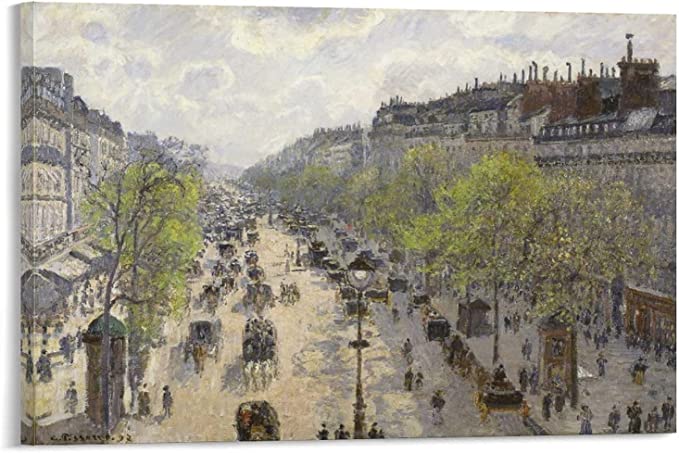
11. Boulevard Montmartre Spring, Camille Pissarro
One of Pissarro’s fabled Paris street scenes, “Boulevard Montmartre, Matinée de Printemps,” from 1897, is part of a widely-acclaimed series.
Famous influential beautiful pictures about Spring.
The artist recorded the world unfolding outside the window of the Grand Hotel de Russie.
april showers
We love these dreamy, misty paintings of rainy spring days – whether in Paris or in the English countryside, they remind us that even a grey day can be astonishingly beautiful.
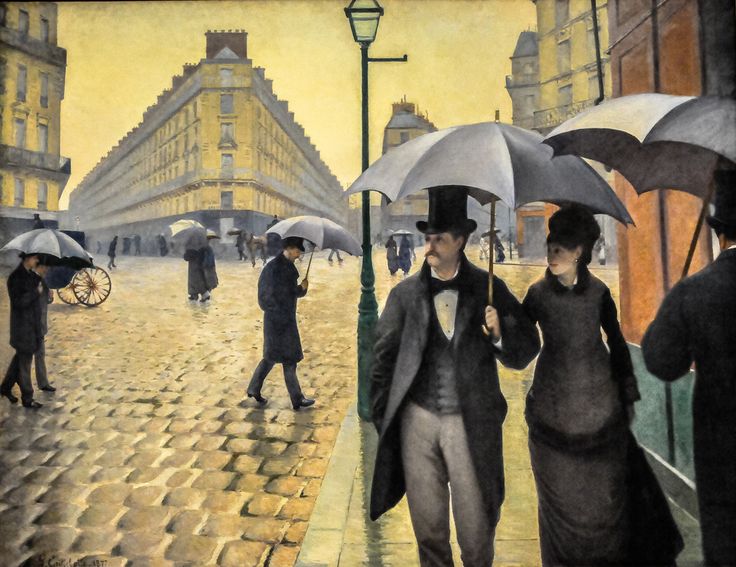
12. Paris Street; Rainy Day (1877), Gustave Caillebotte
Caillebotte strikingly captured a vast, stark modernity rain-washed mood the painting dominated the celebrated Impressionist exhibition of 1877.
Famous influential beautiful pictures about Spring.
The oil painting is part of the permanent collection at the Art Institute of Chicago.
spring flowers
It’s almost a cliche to think of paintings about spring to be filled with blooms. We found these abstract and unexpected images as interesting takes on the theme that caused us to think about spring flowers in a new way.
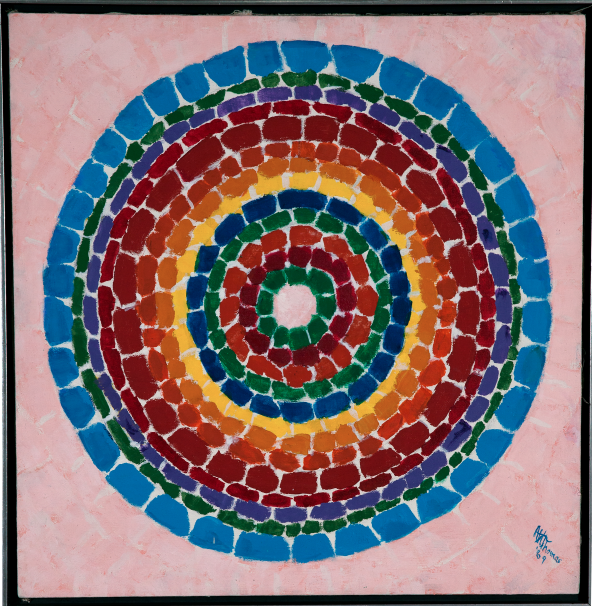
14. Spring Flowers in Washington D.C. (1969), Alma Thomas
Thomas’s abstract expressionist works are vivid and colorful, and her portrayal of spring flowers is no exception.
Famous influential beautiful pictures about Springtime.
Interestingly, this painting was originally purchased by a college student in 1969, and remained in his private collection until he passed away in 2012.
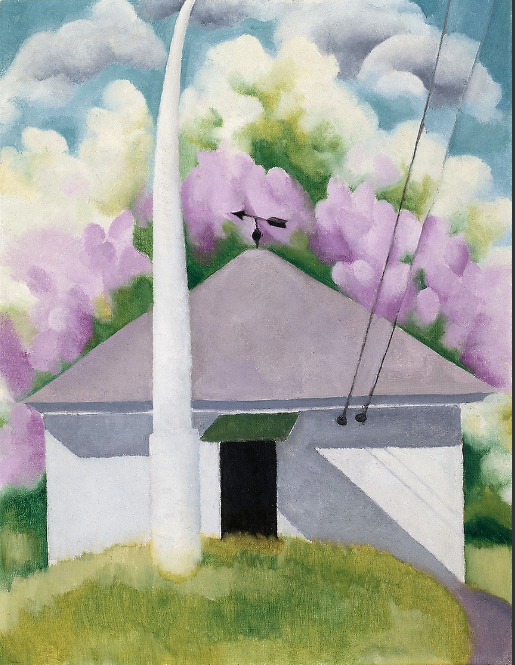
15. Spring (1923-24), Georgia O’Keeffe
O’Keeffe painted multiple images titled “Spring.” The artist was married to the photographer Alfred Stieglitz, and in this work, she depicts the building that contained his darkroom.
Famous influential beautiful pictures about Spring.
There are interesting differences between her version and Stieglitz’s photograph of the same subject, with O’Keeffe’s being the one that shows the flowering trees behind the house. You can view her portrayal at the Art Institute of Chicago.
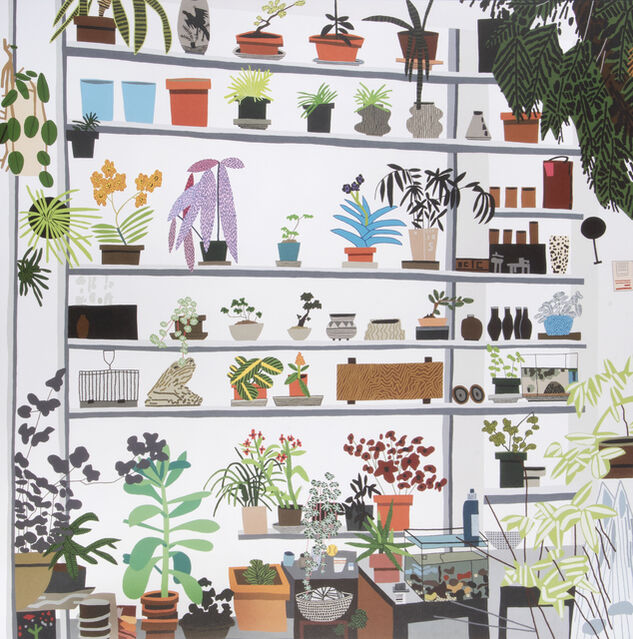
17. Large Shelf Still Life (2017), Jonas Wood
Jonas Wood created a monumental painting of potted plants on a shelf for a High Line public art commission in New York City some years ago.
Famous influential beautiful pictures about Spring.
This smaller rendition reminds us of the fun of going to a plant shop and bringing a talisman of spring inside.
kite-flying
There’s real joy in the idea of flying a kite on the first fine day of spring. And it doesn’t require living in a rural area, as many artists have demonstrated with great verve.
spring awakening and new beginnings
Finally, some of the most evocative and beautiful paintings of the spring season are filled with whimsy, charm and grace.
18. Untitled by Ashley Bryan
Ashley Bryan was born in July, 1923 in Harlem, New York. He received numerous awards and honorary degrees, and spent much of his career devoted to the issue of racial diversity in children’s literature.
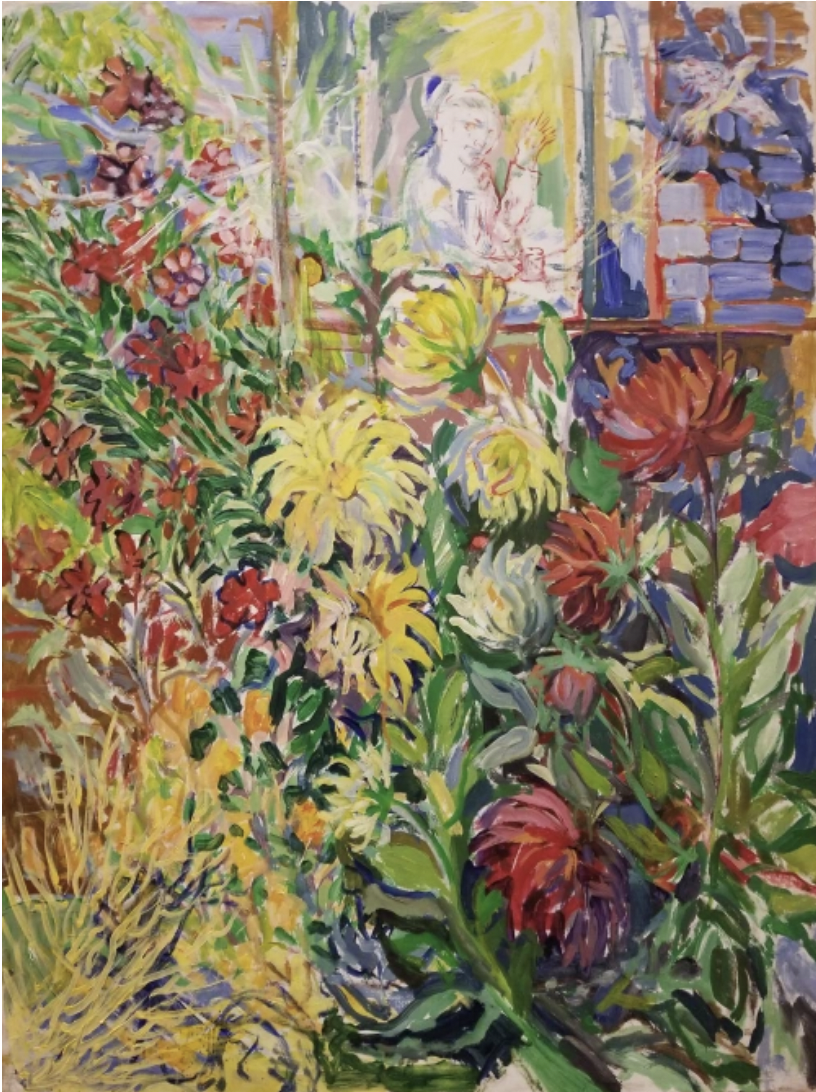
He lived in Maine for most of his life, and passed away in February, 2022. In Untitled, his depiction of gorgeous flowers brings to mind a fragrant spring day.
20. Spring by Patrick Hunter (2014)
“Patrick Hunter is a 2Spirit Ojibway Woodland artist from the community of Red Lake, in North Western Ontario.”
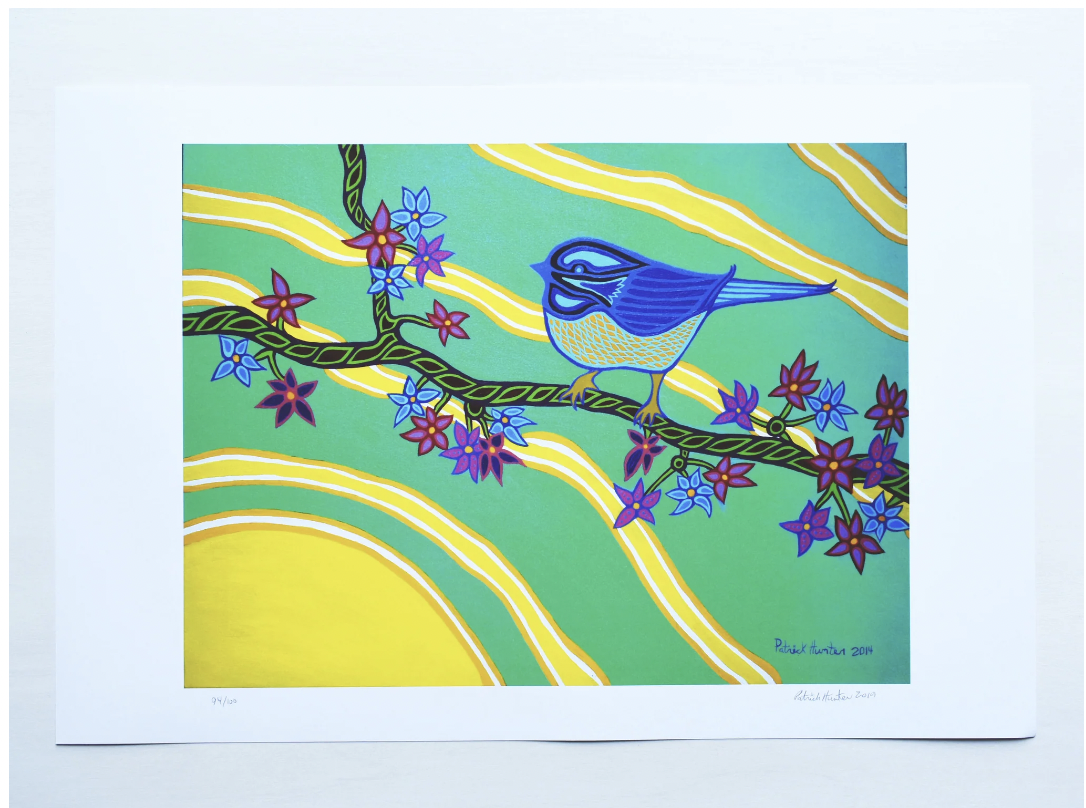
The intoxicating colors of Spring allow the viewer to instantly imagine they are experiencing a bright spring day. It is currently for sale.
famous and beautiful paintings about the spring season
That’s it – our picks for some of the most beautiful and moving paintings about the glorious season of spring and the joys of springtime. What’s your favorite painting on this topic, dear reader?