

As the COVID-19 fog dissipates, and the power brokers reengage with the city after having hunkered down in the Hamptons for most of the past two years, what’s the same? And what’s different? Well, one element that has returned to Gotham is the private club (not to be confused with the speakeasy, which is also back). Members-only private social clubs are hot in NYC again, and here are the 5 most important names to know, including Zero Bond, NeueHouse and Casa Cipriani.
private members-only social clubs are on the rise in NYC post-COVID
The COVID years were hard on everyone – hard on the city and especially on the hospitality business in New York. Legendary restaurants closed (RIP, Four Seasons). Exclusive co-working spaces shuttered (that’s right – The Wing is no more).
[white_box]Join our community
For access to insider ideas and information on the world of luxury, sign up for our Dandelion Chandelier newsletter. And see luxury in a new light.
sign up now >
[/white_box]
So, what has sprung up to replace some of the see-and-be-seen, cool-kid eateries, nightclubs and other gathering places? The New York Times recently covered a new class of establishments that harkens back to previous eras in Gotham: the private social club.
Long the bedrock of elite social life in London, the private members-only social club is now on the rise in New York City. Why? Some say that with ongoing unease about coronavirus, knowing with whom you’re socializing is a lot more important than it used to be.
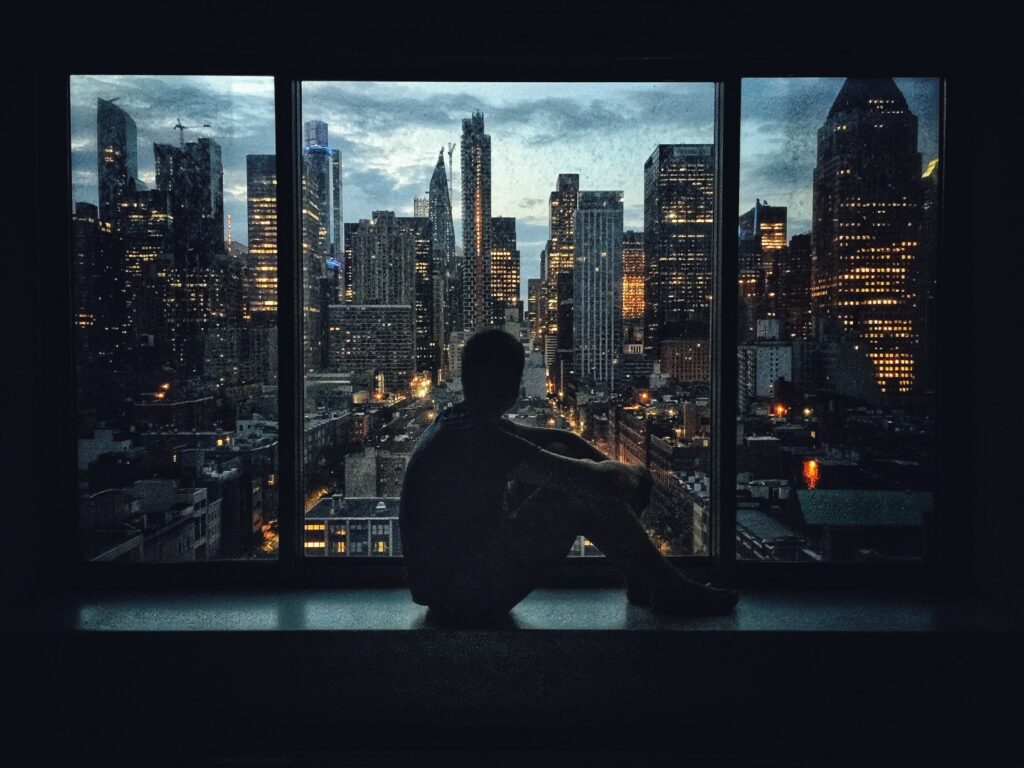
Members-only private social clubs are hot in NYC again, and here are the 5 most important names to know, including Zero Bond, NeueHouse and Casa Cipriani.
Others speculate that it’s the result of a desire for control after so many long months of feeling constrained by forces outside one’s control. After all, a hallmark of a private club is consistency and curation – in other words, you know what you’ll get when you head there, and you’re not at the mercy of a random event like a new maître de who doesn’t know you, or a guest DJ who’s not getting it right.
Third is that its very easy to keep the riff-raff out when the club is private. Meaning, no college kids, no bridge-and-tunnel types, and no one with bad taste. ‘Cause who wants to spend the evening with anyone fitting any of those descriptions?
Of course none of these desires and benefits are new. New York has been home to exclusive members-only clubs for generations. Think the Union Club, the Metropolitan Club and the Harmonie Club. Not to mention the Harvard Club, the Yale Club and the University Club. (Also, there’s Jay-Z’s 40/40 Club, which isn’t a membership club, but seems like it should be).
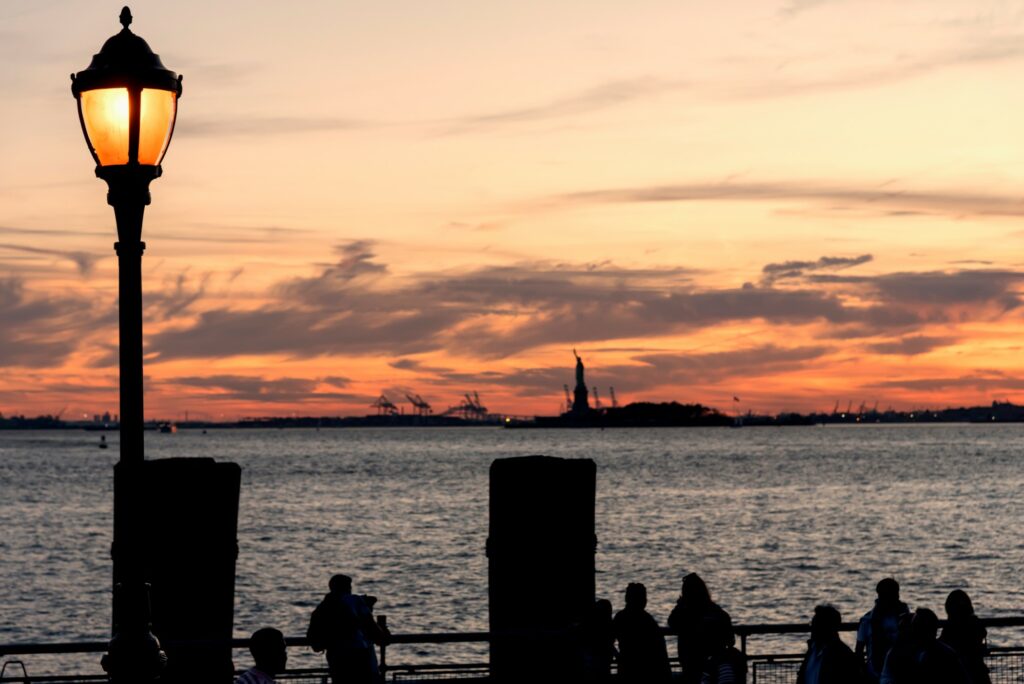
Members-only private social clubs are hot in NYC again, and here are the 5 most important names to know, including Zero Bond, NeueHouse and Casa Cipriani.
All these Old School private clubs have lavish facilities for working, dining and hosting events. All have stringent entry requirements and annual fees. And yet somehow, they’ve lost the aura of exclusivity that they once had. Like, no one is calling frantically to get an invite to any of these places for dinner.
Instead, there’s a new breed of buzzy private clubs, some of which made their debuts during the pandemic. Our savvy friends have clued us in, and here are the 5 places that it’s all happening right now. If someone invites you to one of these venues, the only possible answer is yes. ‘Cause who needs Clubhouse when there’s an actual clubhouse?
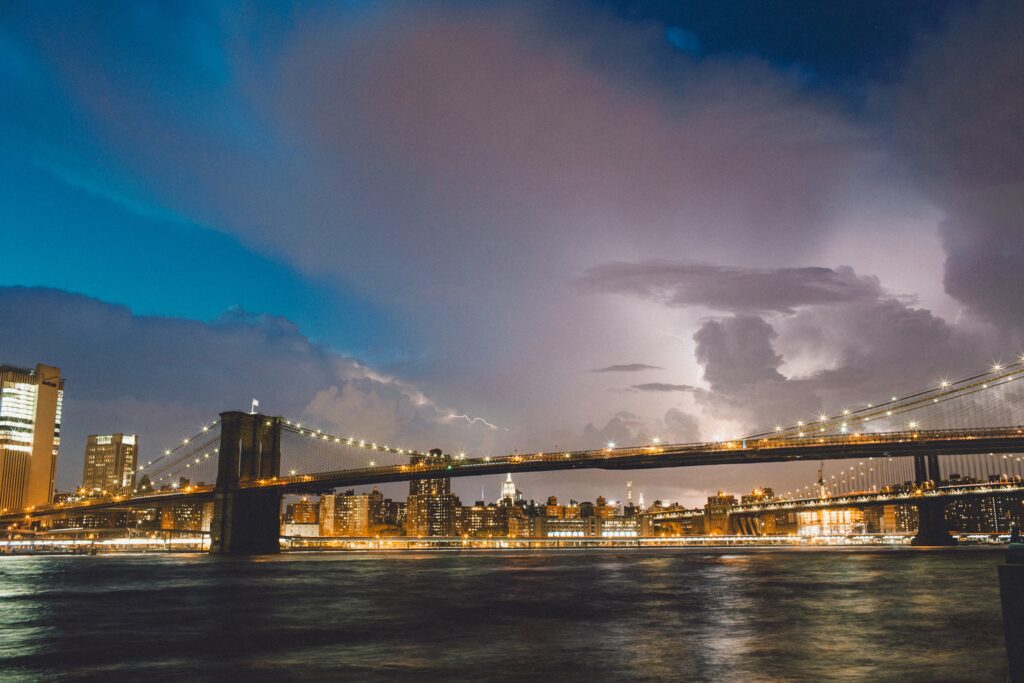
Members-only private social clubs are hot in NYC again, and here are the 5 most important names to know, including Zero Bond, NeueHouse and Casa Cipriani.
The 5 Most Important Members-only Private Clubs in NYC
1. Zero Bond.
The Zero Bond social club is located at . . . Zero Bond Street in NoHo. Opened in October 2020, this is the private club in the city right now. Why? Because Mayor Eric Adams gives it a shout-out rather often. Because it’s where Kim Kardashian and Pete Davidson have been spotted on date night (along with Tom Brady, Elon Musk and J-Lo). And because even some of our best-connected (and wealthiest) friends say that they’ve never managed to even see the inside of the place.
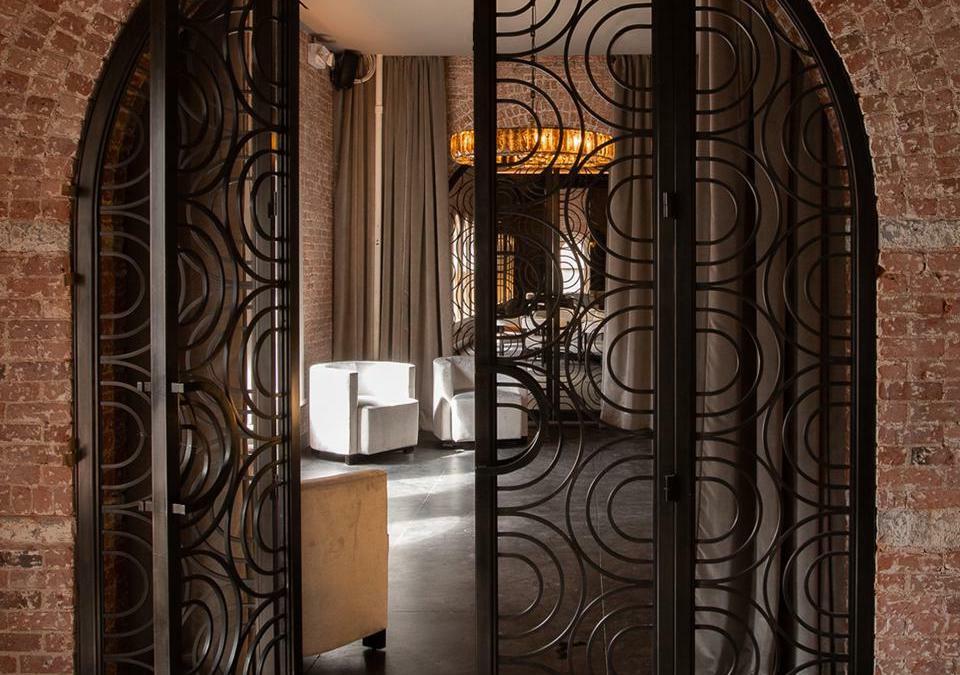
The 5 most important members-only private social clubs in NYC: Zero Bond. Photo Credit: Time Out.
The impresarios behind this modern-day Studio 54 are owners Scott Sartiano and Will Makris. The club is rumored to house $15 million of contemporary art from artists like Robert Mapplethorpe and Andy Warhol. Most people seem more excited about the omakase bar. But it can also serve as a co-working space: there are conference rooms perfect for Zoom calls.
The $4,000 annual fee and $1,00 initiation fee sound affordable (in the context of Manhattan private clubs). Of course, getting in is about who you know, not what you can afford. So good luck with that!
2. Casa Cipriani.
The Cipriani empire continues to expand, and the newest member of the family is Casa Cipriani, as private social club with spectacular views of New York Harbor, the Brooklyn Bridge and the Statue of Liberty. It opened in September 2021 in the Battery Maritime Building, an ornate Beaux-Arts structure built in 1906.
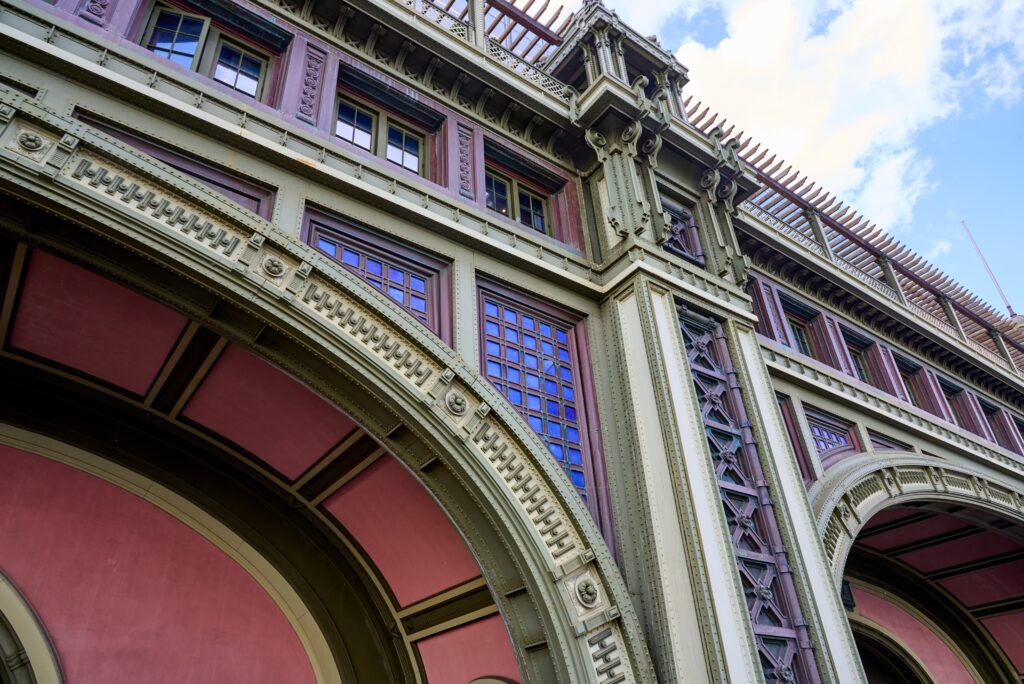
The 5 most important members-only private social clubs in NYC: Casa Cipriani.
Unlike its counterparts, Casa Cipriani seems to be much more about socializing and relaxing off-duty than it is about work (and networking). The property has 47 rooms and suites, a spa and a fitness center.
3. NeueHouse.
Despite its name, NeueHouse is not new to NYC. It first opened in 2013 as a chic and more exclusive co-working space for those who wouldn’t be caught dead at a WeWork. Now, having survived the pandemic years and merged with Fotografiska, NeueHouse is newly hot.
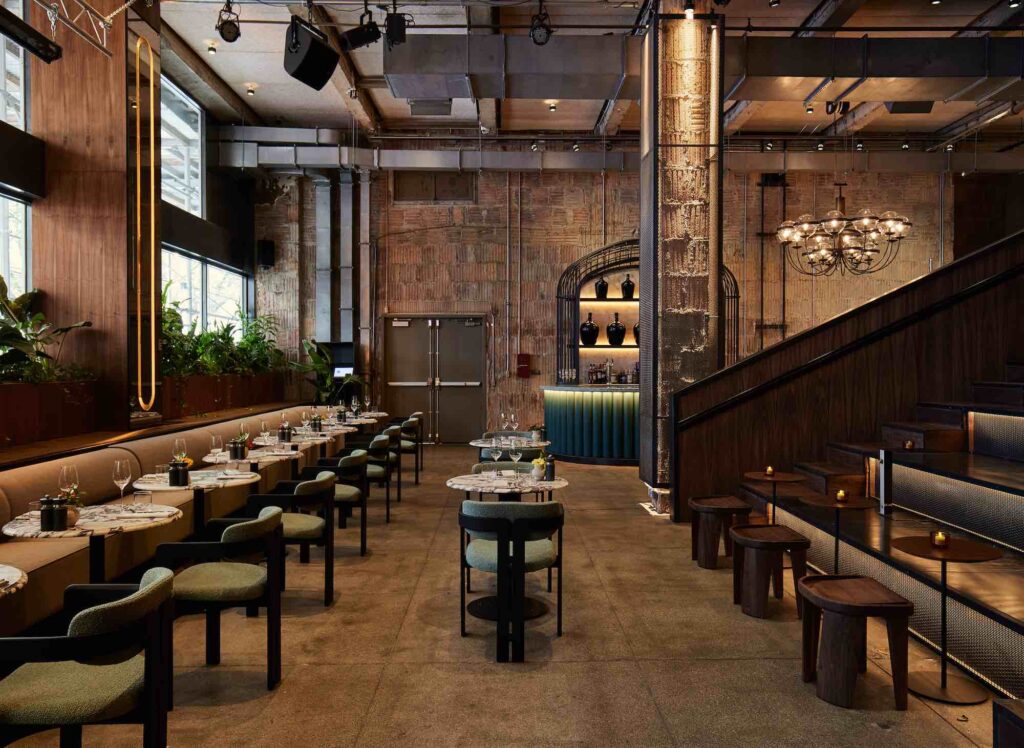
The 5 most important members-only private social clubs in NYC: NeueHouse Madison Square. Courtesy Photo.
That’s due in large part to the launch of the members-only watering hole, Chapel Bar. It opened in September 2021 in a renovated 19th-century church next to the Fotografiska photography museum. The place almost immediately became a go-to for the fashion crowd. It was host to Met Ball parties and several events during New York Fashion Week. NeueHouse is intent on staking a claim to the influencers in the creative class. The CEO told WWD “our members and their guests, we hope, are people that really value what we’re doing for photography, art, music, fashion.”
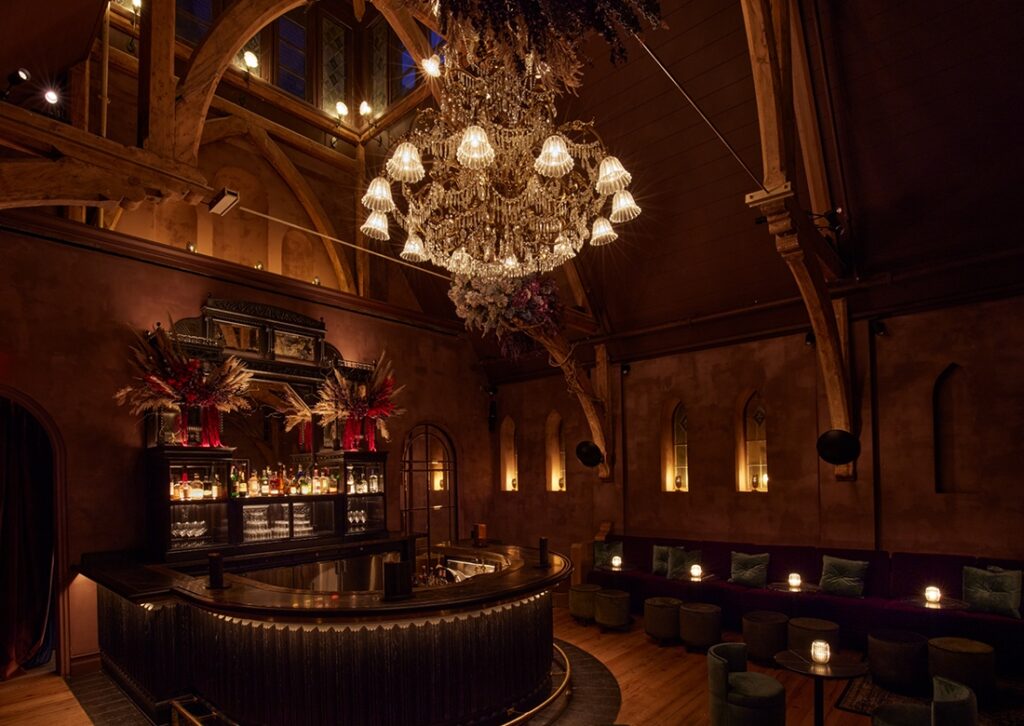
The 5 most important members-only private social clubs in NYC: Chapel Bar, New York City. Courtesy Photo.
Annual membership to become a Patron member, which grants nightly access to Chapel Bar and a variety of experiences at Fotografiska, is $2,500.
4. SoHo House.
What more can be said about SoHo House, that magnet for young entrepreneurial creatives and their friends? The original clubhouse in the Meatpacking District still attracts crowds.
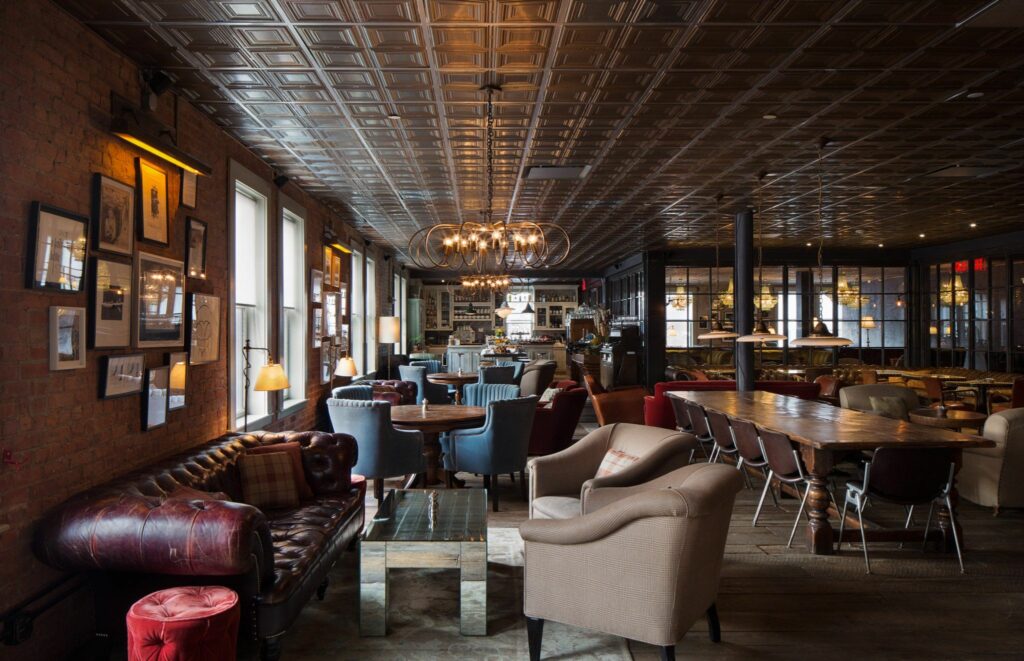
The 5 most important members-only private social clubs in NYC: SoHo House New York. Courtesy Photo.
Meanwhile, the SoHo House brand has grown into an international hospitality brand, with clubhouses all over the world.
5. Fasano Fifth Avenue.
Fasano Fifth Avenue (not to be confused with the hot new restaurant in the old Four Seasons location, Faesano) is a members-only club geared toward those who don’t live in NYC, but who want to stay in a location when they visit that is brand-right for them.
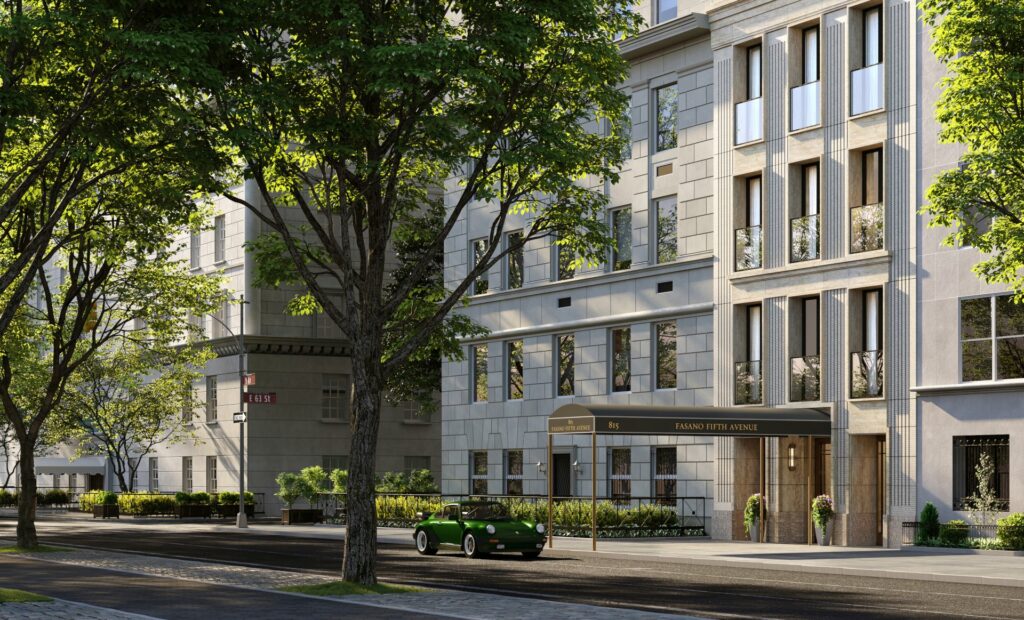
The 5 most important members-only private social clubs in NYC: The Fasano Fifth Avenue. Courtesy Photo.
Set in a 143-year-old townhouse facing Central Park, Fasano Fifth Avenue is the first U.S. property for the sexy Brazilian luxury hotel brand, Fasano. Unlike its other 5-star properties, this one isn’t open to the public. It is being run as a private club, with full apartments, suites, a gym, sauna, and bar available for members to reserve. There are event spaces, as well. Membership is by invitation only from other members, with the approval of the club’s Board.
and coming soon . . . the Aman Club.
Scheduled to open in May, the Aman Club is a new private club on the 14th and 15th floors of the new Aman New York, a five-star hotel on Fifth Avenue and 57th Street, where guests can use the Cigar Lounge, Wine Library, and the Aman Spa,
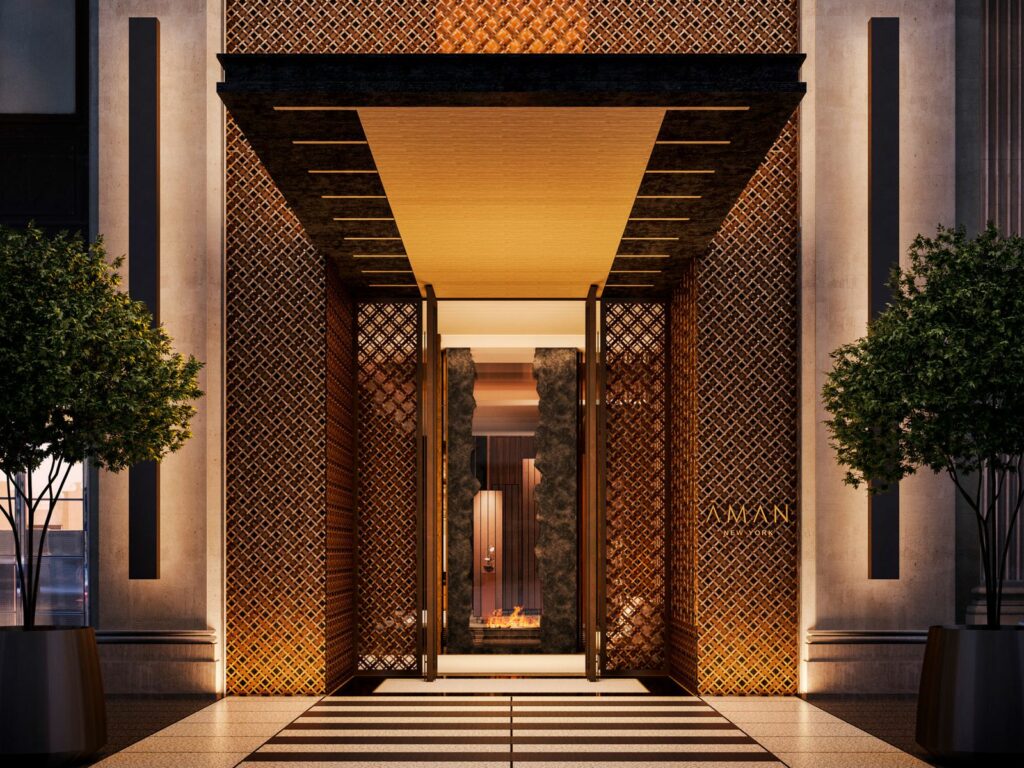
Coming soon: the Aman New York City. Courtesy Photo.
Members-only Private Clubs are on the rise in NYC
There’s no need to work from home (which might be a tiny, noisy apartment) when you can work from the club – and stay to play when the work is done. What do you think, dear reader? Good trend? Terrible trend? Time will tell.
join our community
For access to insider ideas and information on the world of luxury, sign up for our Dandelion Chandelier Newsletter here. And see luxury in a new light.

Pamela Thomas-Graham is the Founder & CEO of Dandelion Chandelier. A Detroit native, she has 3 Harvard degrees and has written 3 mystery novels published by Simon & Schuster. After serving as a senior corporate executive, CEO of CNBC and partner at McKinsey, she now serves on the boards of several tech companies. She loves fashion, Paris, New York, books, contemporary art, running, skiing, coffee, Corgis and violets.