



As the second anniversary of the celebration of Juneteenth as a national holiday approaches, this is the perfect moment to peel back the layers of history and go straight to the heart of what this day actually means. We can do this in a number of different ways – reading poems, watching movies, visiting museums and the like. Or we can read. If you decide to opt for that, here’s a reading list of the best books to immerse yourself in the true meaning of Juneteenth: slave narratives that provide wrenching, powerful testimonies. Poignant memoirs filled with stories that must be told and listened to, again and again.
Juneteenth Books: Our suggested reading list for understanding the true meaning of this national holiday

Our Juneteenth reading list of the best books, including slave narratives, to understand the meaning of the national holiday.
1. Four Hundred Souls by Ibram X. Kendi and Keisha N. Blain.
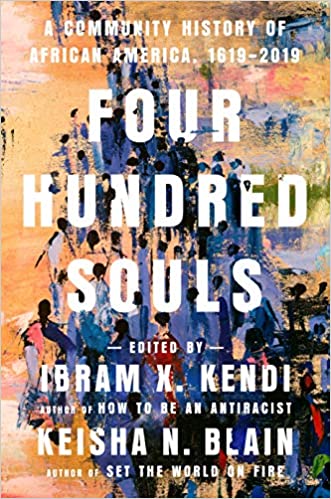
In Four Hundred Souls: A Community History of African America, 1619-2019, ninety writers come together to share the task, each of them taking on a different five-year period from the last four hundred years. The perspective shifts from writer to writer, looking at history through the lens of historic icons, important places, laws passed, and the eyes of ordinary people. Together the sum of these parts tells the history of African-Americans through the past four centuries, while also rejecting the notion of a monolithic experience.
2. Master Slave Husband Wife: An Epic Journey from Slavery to Freedom by by Ilyon Woo.
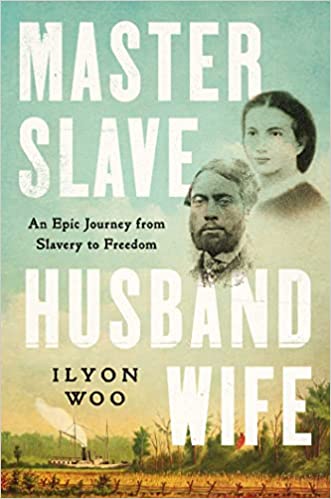
Master Slave Husband Wife is an account of an incredible true story. in 1848, Ellen and William Craft escaped slavery and fled to the north. They survived by having Ellen pass as a wealthy, disabled White man. With William posing as “his” slave. It worked until the Fugitive Slave Act forced them to go back on the run.
3. Barracoon: The Story of the Last Black “Cargo” by Zora Neale Hurston.
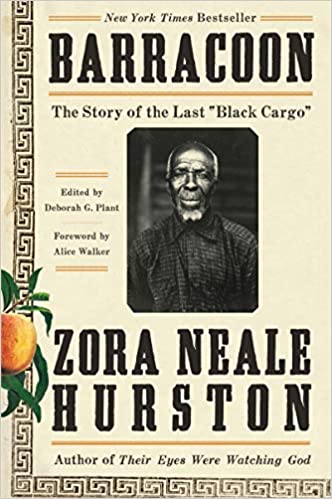
Barracoon: The Story of the Last Black “Cargo” is a never-before-published true story written by the famous author of the Harlem Renaissance, who penned the American classic Their Eyes Were Watching God. One of the best non-fiction books for adults to read in honor of MLK Day this year, it recounts the life of Cudjo Lewis. Lewis was a 95-year-old man who Hurston interviewed in Plateau, Alabama, in 1927. Lewis was the last known survivor of the Atlantic slave trade, and after Hurston spoke to him about his experiences, the horrors of slavery, and their lasting effects on his life, she wrote this account—tragic, haunting, and essential.
4. All That She Carried: The Journey of Ashley’s Sack, a Black Family Keepsake by Tiya Miles.
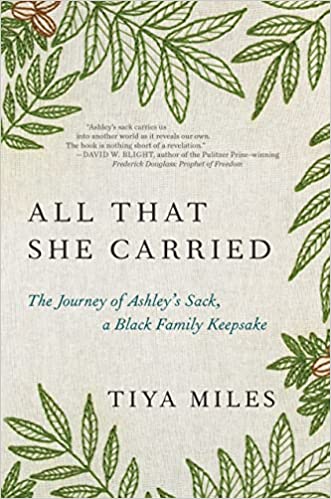
All That She Carried is a true and truly heartbreaking story. In 1850’s South Carolina, an enslaved woman named Rose faced the horror of the imminent sale of her young daughter, Ashley. Acting on impulse, she packed a cotton bag with a few precious items. Soon after, the nine-year-old girl was separated from her mother and sold. The two never saw each other again.
Decades later, Ashley’s granddaughter Ruth embroidered this family history on the bag in spare yet haunting language—including Rose’s wish that “It be filled with my Love always.” Long after, the historian and author of this book set out to unearth what could be known about these women. To follow the paths of their lives—and the lives of so many women like them. It’s a history of the experience of slavery, and the uncertain freedom afterward, as experienced by one family. Sadly, though, the hardship and loss are not unique to this remarkable African American clan.
5. The 1619 Project: A New Origin Story by Nikole Hannah-Jones.
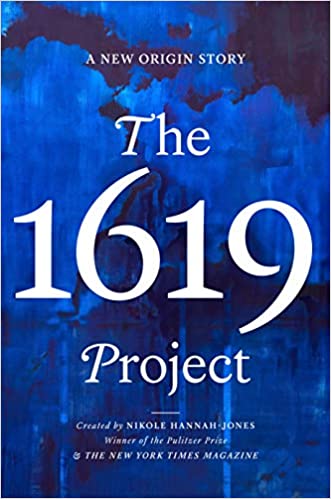
The 1619 Project was originally published as a special issue of the New York Times Magazine. That densely reported group of articles was perhaps the first time that most people learned that the very first slave ship landed in America in late August 1619. Arriving in the British colony of Virginia, it bore a cargo of twenty to thirty enslaved people from Africa. Their arrival led to the system of American chattel slavery that would last for the next 250 years.
This book substantially expands on the original collection of articles. It weaves together eighteen essays exploring the legacy of slavery in present-day America with thirty-six poems and works of fiction that illuminate key moments of oppression, struggle, and resistance. Like a tapestry, a close look is edifying. And stepping back to read this book as a whole is like looking at the very fabric of America itself.
6. Envisioning Emancipation: Black Americans and the End of Slavery by Deborah Willis and Barbara Krauthamer.
Envisioning Emancipation illustrates what freedom looked like for black Americans in the Civil War era. From photos of the enslaved on plantations and African American soldiers and camp workers in the Union Army to Juneteenth celebrations, slave reunions, and portraits of black families and workers in the American South, the images in this book challenge perceptions of slavery. They show not only what the subjects emphasized about themselves but also the ways Americans of all colors and genders opposed slavery and marked its end.
7. You Don’t Know Us Negroes and Other Essays by Zora Neale Hurston.
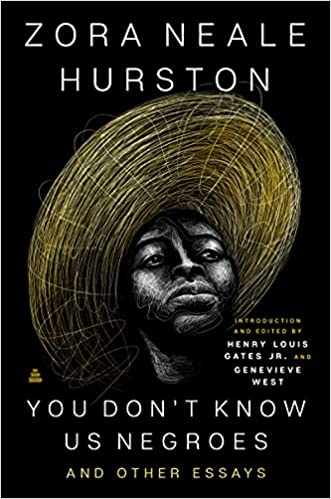
You Don’t Know Us Negroes complies over 30 years’ of the iconic writer’s nonfiction work. While she’s best known as a novelist, this anthology traces Hurston’s coverage of race, gender, and politics as an essayist. She was a keen observer of African American art and culture from the height of the Harlem Renaissance to the early years of the Civil Rights movement. Harvard professor Henry Louis Gates Jr. provides the entertaining foreword.
8. On Juneteenth by Annette Gordon-Reed.
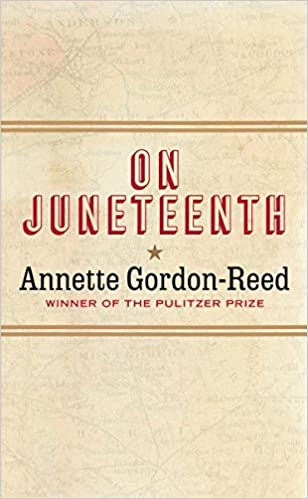
On Juneteenth is the perfect way to end our reading list of slave narratives and other books that are the best to read to fully understand this new national holiday. Written by a Pulitzer Prize–winning historian and Texas native, this slim volume brings to life the traditional annual celebration of the day that the enslaved Black people of Texas learned that they were free. In Galveston on June 19, 1865, Major General Gordon Granger announced the end of legalized slavery in the state. This is the story of what happened next.
Juneteenth Books: Our suggested reading list
Those are our suggestions on what to read to honor and understand the Juneteenth national holiday this year: slave narratives that bring a visceral, tangible, urgent immersion in the mortal sin that was slavery – and that inspire us to keep building the nation we have always said we mean to be.