
The Reading Room: Martha’s Vineyard on the Page
The Reading Room is Dandelion Chandelier’s monthly reading list of books worth reading now — literary, atmospheric, and chosen with exquisite taste.
If Finding Home on Martha’s Vineyard is the emotional map of the island, this is the literary one.
Martha’s Vineyard has inspired novels, memoirs, oral history, poetry, architecture books, and food writing because it compresses so much into one small geography: Oak Bluffs and Edgartown, race and class, ferry crossings and fishing, old cottages and new money, weather and memory, ritual and return. The best Martha’s Vineyard books are rarely just beach books. They are books set on Martha’s Vineyard and books about the island that explore houses, family, longing, Black summer life, class performance, and the peculiar intimacy of places people keep coming back to.
What follows is a curated shelf of the best books about Martha’s Vineyard — the novels, memoirs, and nonfiction that explain why the island feels the way it does.
At a glance: Martha’s Vineyard books • books set on the island • Black Martha’s Vineyard • Oak Bluffs • novels and memoirs • architecture • food writing • summer reading
All photographs by Pamela Thomas-Graham for Dandelion Chandelier.
martha’s vineyard books
Some places ask to be visited. Martha’s Vineyard also asks to be read.
After years of returning to the island, I’ve come to think that certain places are not fully known until you’ve read what they make possible in other people’s minds. The Vineyard is one of them. It is simply too layered to be understood through scenery alone. To know it properly, you need the fiction, the memoirs, the local voices, the social chronicles, the poems, and the books that understand what weather does to a sentence and what a summer house can do to a family.
What follows is not a comprehensive roundup of island titles.
It’s a curated list.
These are the books that help explain why Martha’s Vineyard feels the way it does — socially, historically, architecturally, emotionally. And if Martha’s Vineyard, in the Language of Light captures the island’s visual grammar, these books help explain why that grammar has such force in the first place.
where the island begins in books.
If you are new to Martha’s Vineyard, begin with the books that explain its social and historical undertow.
If you already know the island, start with the fiction. The best Vineyard novels do what the island itself does: they make manners, weather, money, race, longing, and memory sit at the same dinner table and try not to misbehave.
Either way, a serious Martha’s Vineyard shelf should contain more than one version of the island. The Vineyard is too complex, too storied, and too emotionally layered to be understood through a single register.
black martha’s vineyard on the page.
This is where I would begin, because Black Martha’s Vineyard is not a side story. It is one of the island’s central literary and cultural engines. If Finding Home on Martha’s Vineyard traces why Oak Bluffs lives so deeply in Black American life, these books help explain how that world has been imagined, analyzed, and preserved on the page.
1. the wedding by dorothy west.
If you read only one Martha’s Vineyard novel, make it this one. Dorothy West turns Oak Bluffs into a chamber piece of race, class, family, desire, and reputation, all compressed into the weekend of a marriage that unsettles an established Black summer world. It is elegant, sharp, and socially exact — which is to say, very much like the island itself.
2. finding martha’s vineyard by jill nelson.
This is one of the essential books for understanding Black Martha’s Vineyard from the inside. Nelson combines personal narrative, historical reflection, and cultural observation to show how Oak Bluffs became such a meaningful site of return for Black families. It is affectionate without becoming vague, and that is precisely why it is so useful.
3. our kind of people by lawrence otis graham.
This is not solely a Martha’s Vineyard book, but no serious Vineyard shelf should be without it. Graham’s study of the Black upper class remains one of the most important frameworks for understanding why the island became such a central summer destination for generations of Black professionals, families, and institutions. Read it for the social architecture as much as for the argument. Editor’s note: the author is my late husband.
4. summer on the bluffs by sunny hostin.
Sunny Hostin understands exactly what Martha’s Vineyard fiction must do: combine beauty with pressure. Her Oak Bluffs novel gives you family tension, inheritance, female friendship, romance, and the emotional weather of a place where everybody is carrying history into a single summer season. It reads quickly, but it is smarter than quick beach reading often is.
And if you want the broader cultural companion to this section, The Black Avant-Garde: 12 Artists Shaping Contemporary Culture picks up the story of Black influence, authorship, and aesthetic authority from another angle.
the older island beneath the summer one.
The Vineyard did not begin with summer colony life, and one of the best things books can do is remind us that today’s rituals sit atop much older histories. This is the section that widens the frame.
5. caleb’s crossing by geraldine brooks.
This is the book for readers interested in the island before the summer colony, before the ferry rituals, before all the later social worlds. Brooks uses seventeenth-century Martha’s Vineyard as the setting for a novel rooted in colonial New England and the life of Caleb Cheeshahteaumauk, the first Native American graduate of Harvard. It broadens the moral and historical frame of any Vineyard reading list.
6. more vineyard voices by linsey lee.
Every place needs its chorus, and this oral-history series is one of the best ways to hear Martha’s Vineyard speak in many voices rather than one. Lee’s interviews preserve the cadences, memories, and local intelligence of island life in a way no outsider summary can. If you want to understand the Vineyard as a lived community rather than a fantasy projection, start here.
salt water, weather, and the edge of the day.
One of the pleasures of reading about Martha’s Vineyard is discovering how often the island is rendered through work, water, weather, and the peculiar hush that falls at the edges of the day. These books get at the Vineyard beyond porch mythology.
7. illumination night by alice hoffman.
The Grand Illumination in Oak Bluffs has always had a slight air of enchantment, and Alice Hoffman wisely leans into that. This is one of the Vineyard’s most atmospheric novels — whimsical, melancholy, and suffused with the slightly unreal glow that certain summer nights on the island can produce. Read it when you want the magical register of Martha’s Vineyard rather than the sociological one.
8. casting into the light by janet messineo.
Every serious Martha’s Vineyard shelf needs at least one book that smells faintly of tackle, tide, and midnight air. Messineo’s memoir of striped bass fishing on the island gives you exactly that, along with a lived account of entering a male-dominated world through obsession, stamina, and saltwater skill. It is one of the best correctives to anyone who thinks the Vineyard is only about porches and hydrangeas.
9. by vineyard light by rose styron.
Some places are best understood through poetry, and Martha’s Vineyard is one of them. Styron’s poems attend to fog, lanterns, farm animals, pond light, and the island’s slower, more meditative moods. Keep this one for twilight, for shoulder season, and for any moment when prose feels slightly too literal for the place.
For another DC post about how place and Black history travel through ritual, memory, and return, see How to Read Juneteenth.
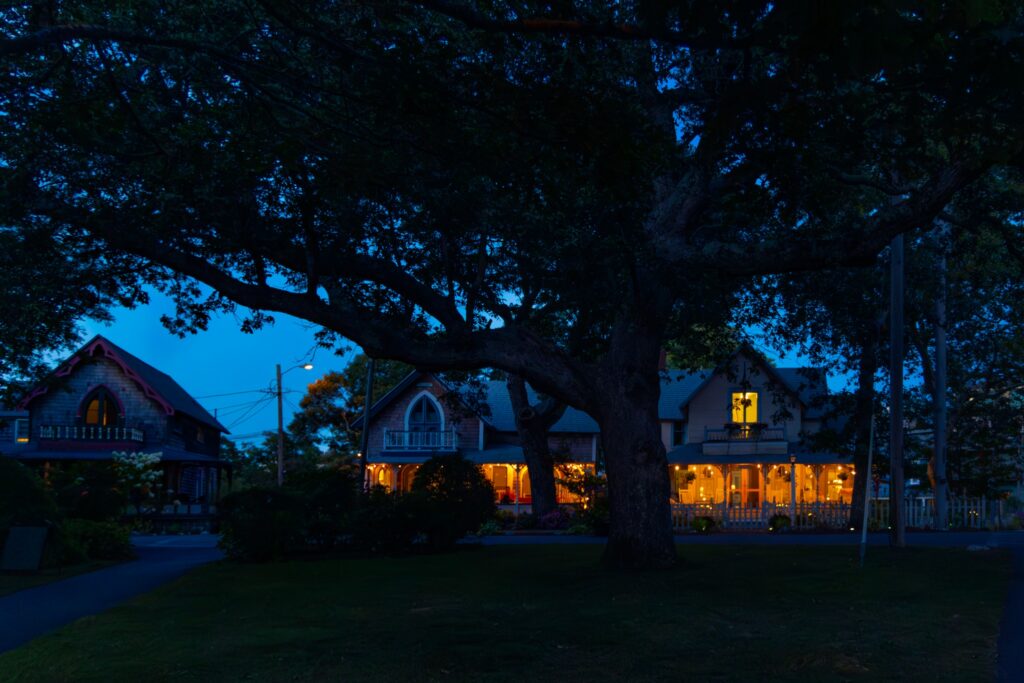
houses, taste, and the domestic life of place.
Some of the best Martha’s Vineyard books are really books about houses, kitchens, design, inheritance, and the daily rituals that turn property into memory. They understand that the island’s domestic life is one of its deepest subjects.
10. to the new owners by madeleine blais.
This memoir captures one of the Vineyard’s central emotional truths: houses are never just houses here. Blais writes about the family’s Tisbury Great Pond house and what it means to love a place for decades and then let it go. The book is about property, yes, but even more about attachment, ritual, and the melancholy intelligence of endings.
11. vineyard harvest by tina miller, christie matheson, and alison shaw.
The Vineyard is a food landscape as much as a social one, and this cookbook understands that. It captures the island through seasonality, local produce, domestic ritual, and the textures of cooking in summer houses where the table is part of the day’s architecture. Even if you never make a single recipe, it is a deeply pleasurable island object.
12. martha’s vineyard new island homes by keith moskow and robert linn.
For readers who understand that architecture is one of the island’s most revealing dialects, this is the design book to own. It shows how Vineyard houses extend, reinterpret, or resist the classic shingled language of the island. Read it not as real-estate fantasy, but as a study in how place teaches proportion.
how to read the vineyard.
The best way to use a Martha’s Vineyard reading list is not to race through it in one August.
Read one novel before you go. Read one memoir while you are there. Read the poetry after you come home.
That sequence tends to work because Martha’s Vineyard behaves differently in memory than it does in anticipation. Before a trip, you want social and historical context. On the island, you want fiction or atmosphere. Afterward, you want whatever best recreates the hush of having left.
Books are unusually good at that last part.
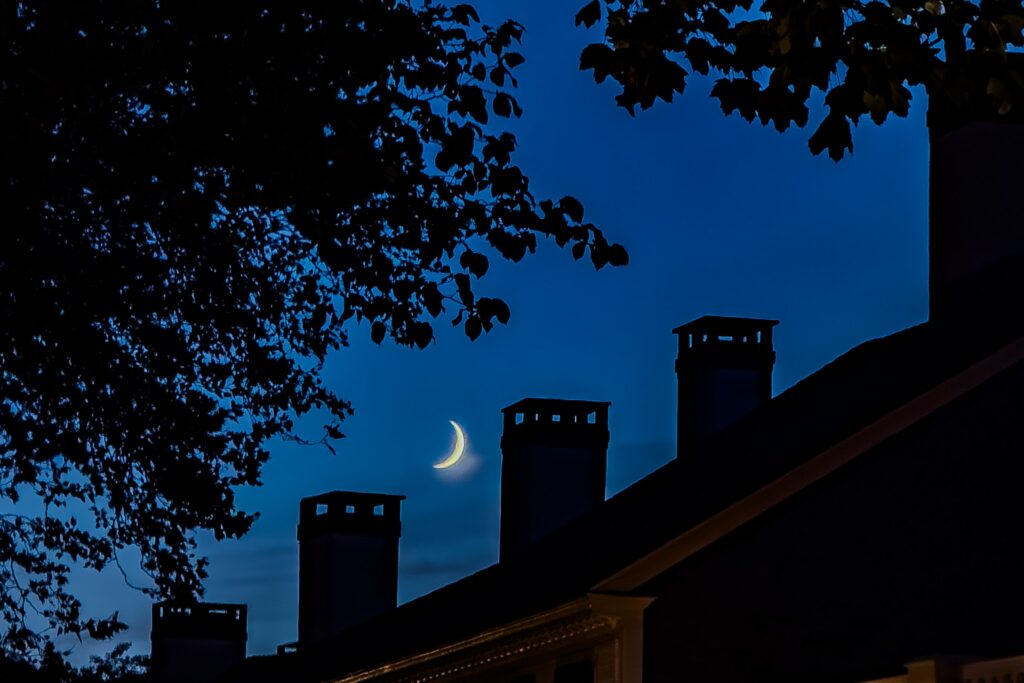
And that, really, is the distinction between a place you merely visit and a place you keep carrying around with you. The Vineyard has always had a strong afterlife. On the page, that afterlife becomes visible.
final thoughts.
What makes Martha’s Vineyard such a rich literary subject is the same thing that makes it such a compelling place: compression.
The island is small, but it contains multiple American stories at once — Black cultural history, Wampanoag history, New England Protestant history, maritime life, architectural aspiration, summer ritual, domestic memory, social performance, and private freedom.
No single book can hold all of that.
But a good shelf can come surprisingly close.
faqs:
what is the best novel set on martha’s vineyard?
Dorothy West’s The Wedding is the strongest single choice because it captures Oak Bluffs, Black summer society, emotional tension, and the island’s social codes with unusual elegance and precision.
which book best explains black martha’s vineyard?
Jill Nelson’s Finding Martha’s Vineyard is one of the best direct guides to Black life and memory on the island, while Lawrence Otis Graham’s Our Kind of People provides the broader social framework.
what should i read before visiting oak bluffs?
Start with The Wedding for fiction and Finding Martha’s Vineyard for personal and historical context. Together, they offer one of the sharpest introductions to Oak Bluffs as a Black summer world.
are there good nonfiction books about martha’s vineyard?
Yes. Finding Martha’s Vineyard, Our Kind of People, Vineyard Voices, Casting into the Light, To the New Owners, and Martha’s Vineyard Houses all offer strong nonfiction ways into the island.
what book best captures the architecture of martha’s vineyard?
Martha’s Vineyard Houses is the clearest architecture-focused choice, especially for readers interested in how the island’s shingled visual language expresses taste, restraint, and continuity.
why does martha’s vineyard inspire so much literature?
Because it is not one mood or one community. The island contains overlapping histories, social worlds, landscapes, rituals, and inherited codes, so writers approach it through very different literary forms.
are books about martha’s vineyard just beach reading?
Not at their best. The strongest Martha’s Vineyard books are about race, class, weather, family, houses, memory, and the strange emotional intensity of places people return to for decades.